The 6 Best Emergency Radios of 2026
Six emergency radios for storms and outages, from a $55 NOAA alert radio to a 15-watt GMRS truck radio. Hand-crank, weather alert and two-way picks with current prices.
- Picks
- 6
- Min read
- 5
When a storm knocks out power and cell towers, a radio is how you hear what is happening and where to go. Different radios do different jobs: a crank radio keeps you informed on the move, a NOAA alert radio wakes you at 3 a.m. for a tornado warning, and a GMRS radio lets your family talk when phones do not work.
This guide covers all three types. Every spec comes from the maker, and every price is what those makers listed as of November 18, 2026. Several crank radios were out of stock at their makers when we checked, which we note below.
Quick picks
| # | Pick | Best for | Price |
|---|---|---|---|
| 01 | 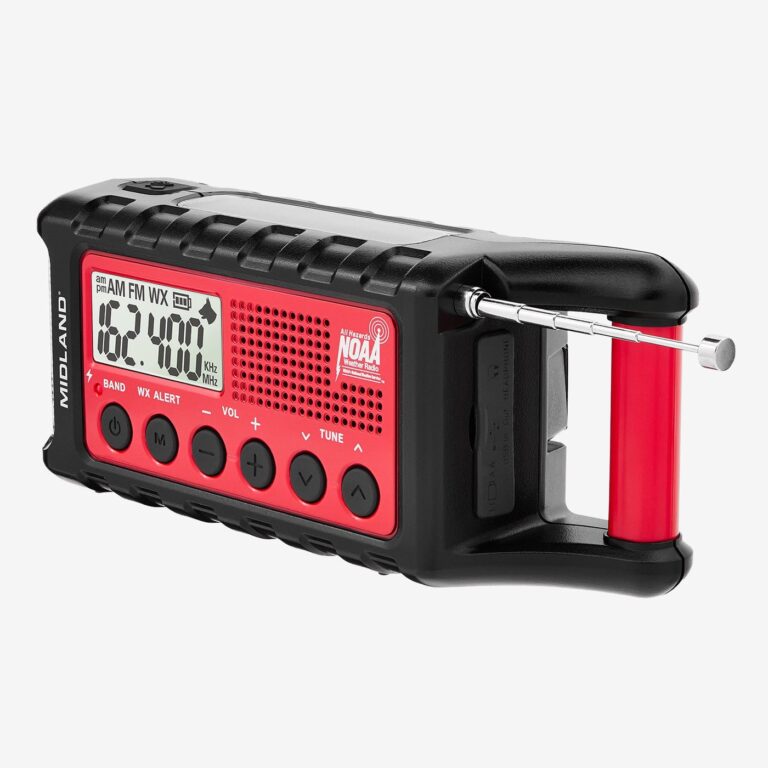 Midland ER310 | Best overall crank radio | $89.99 |
| 02 | 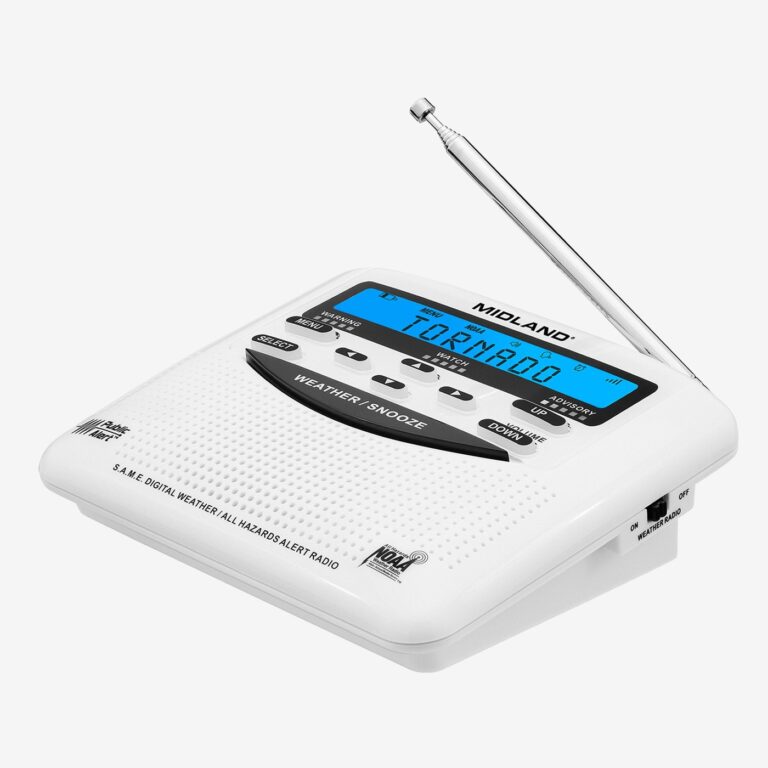 Midland WR120 | Best NOAA alert radio | $54.99 |
| 03 | 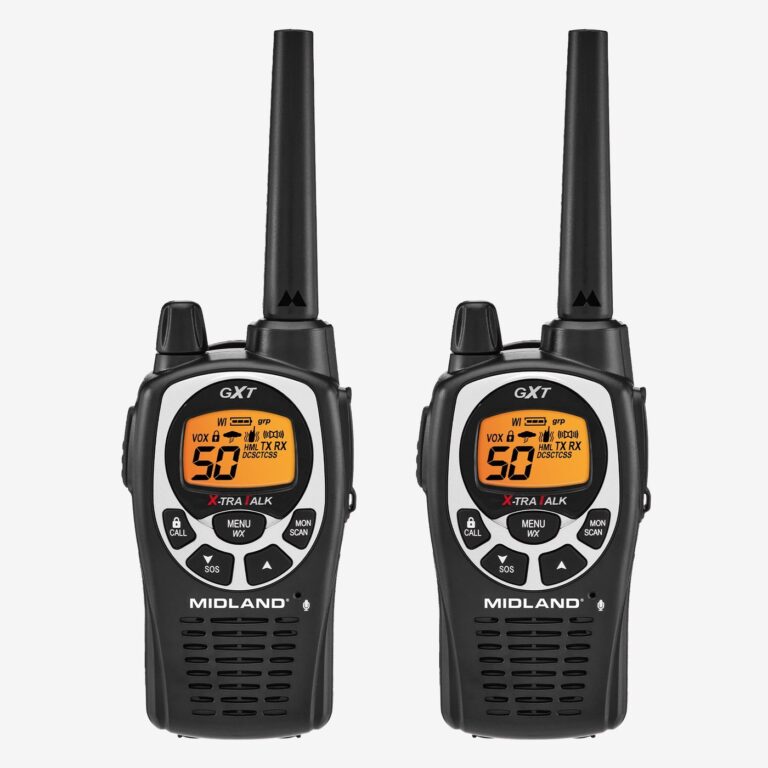 Midland GXT1000VP4 | Best handheld GMRS | $99.99 |
| 04 | 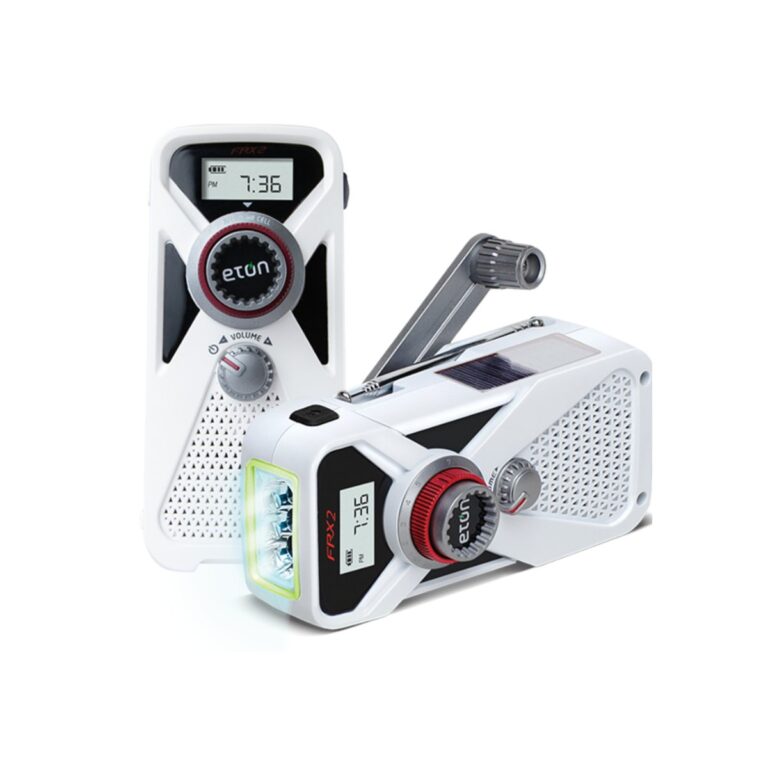 American Red Cross FRX2 | Best compact crank radio | $59.99 |
| 05 | 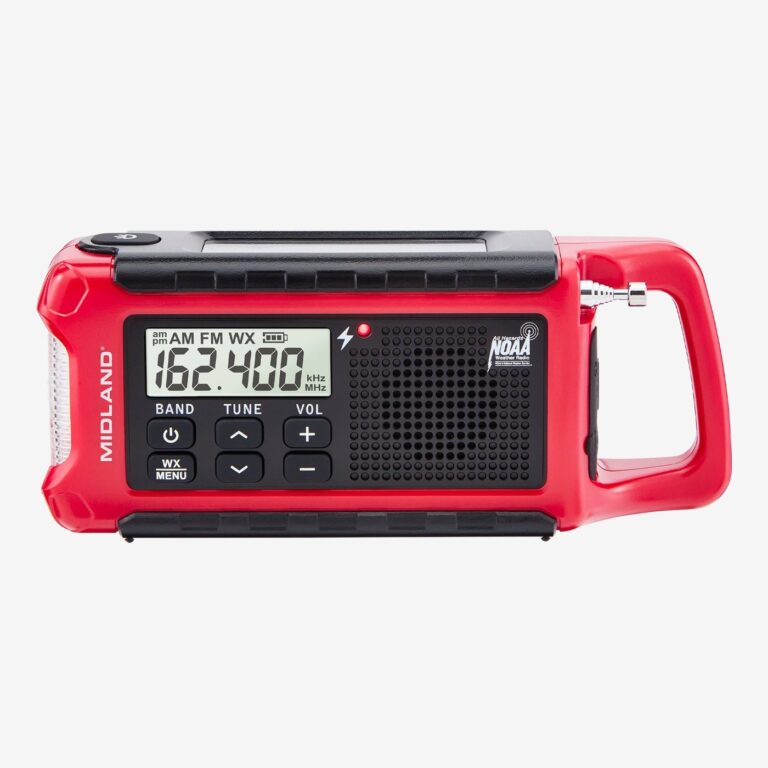 Midland ER210 | Best budget crank radio | $64.99 |
| 06 | 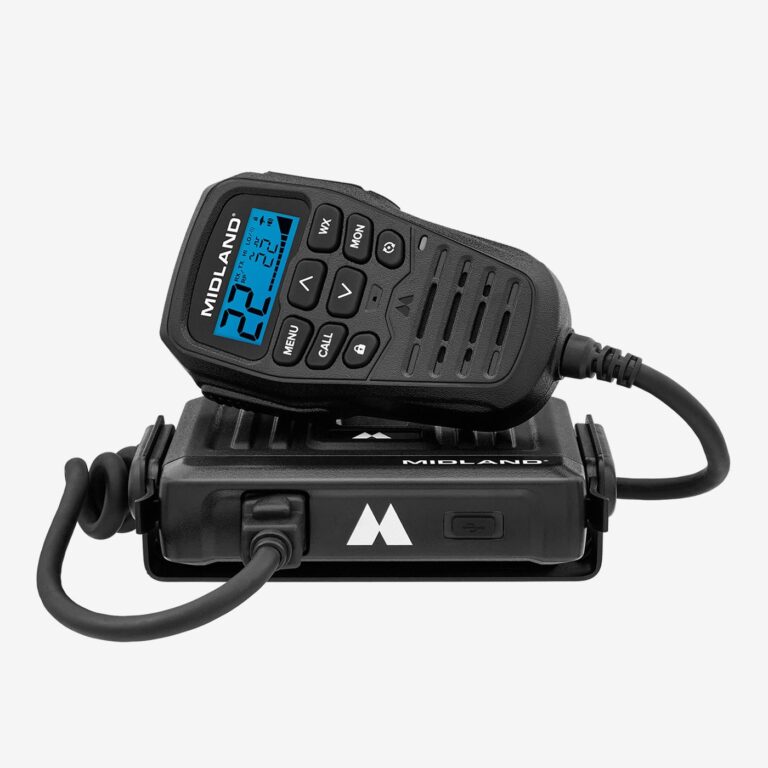 Midland MXT275 | Best vehicle GMRS | $199.99 |
How we picked
These picks are research-based. I compared current emergency, weather alert and GMRS radios from Midland and Eton, then checked power sources, battery size, alert features, channels and output against each maker’s page.
Each pick had to clear four bars:
- NOAA weather band or weather alerts built in.
- A power source that works without the grid, or battery backup.
- A published battery, power or range spec.
- A brand with a long track record in emergency radios.
The rankings come from specs and owner track records, not my own use. Our How we pick page explains the method.
The picks
Best overall crank radio
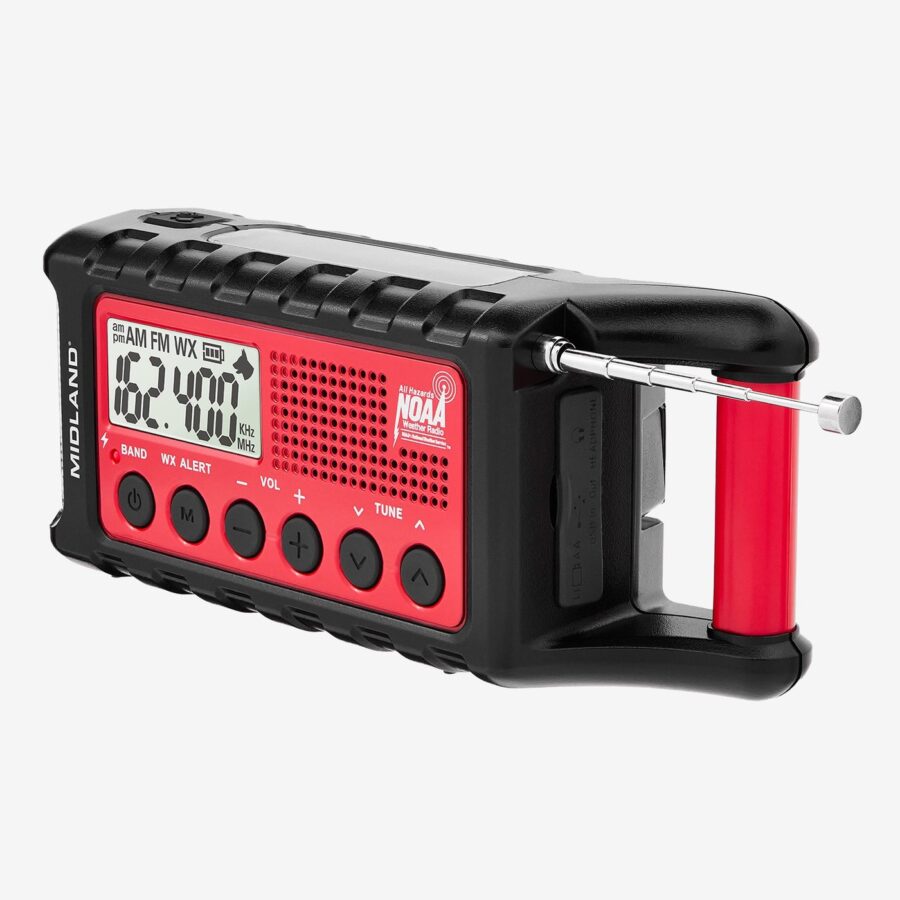
Midland ER310
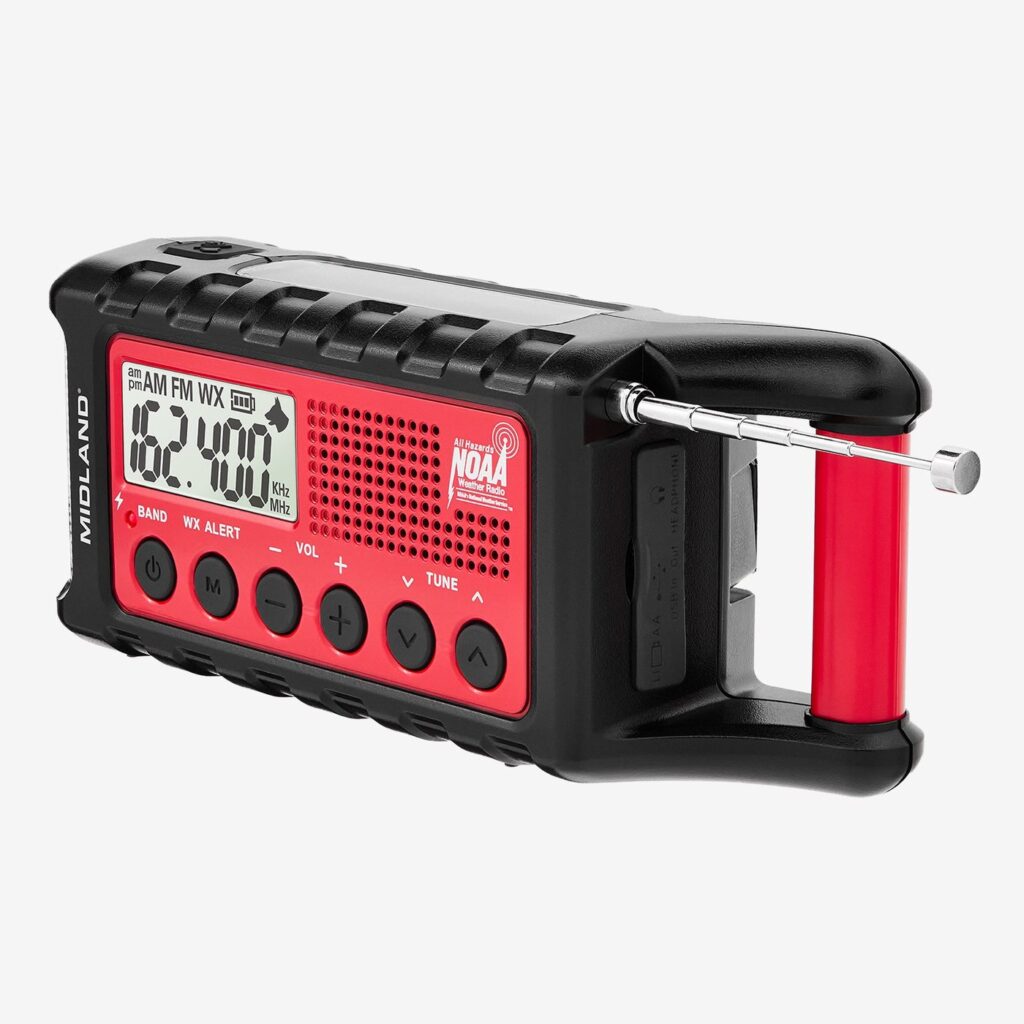
| Alerts | NOAA weather |
| Power | Solar, hand crank, rechargeable |
| Battery | 3,500 mAh Li-ion |
| Runtime | Up to 45 hours |
It was temporarily out of stock when we checked.
The ER310 is the radio to grab for an evacuation. It picks up NOAA weather alerts and recharges three ways: solar, hand crank and a rechargeable 3,500 mAh lithium-ion battery that Midland rates at up to 45 hours of normal use.
A Cree LED flashlight with an SOS beacon is built in, and the radio can top up a phone. It is sized for a go-bag or a kitchen drawer, not a pocket.
Pros. Long battery life. Three ways to charge. Flashlight and phone charging.
Cons. Bulky. Out of stock at Midland when we checked.
Best NOAA alert radio
Midland WR120
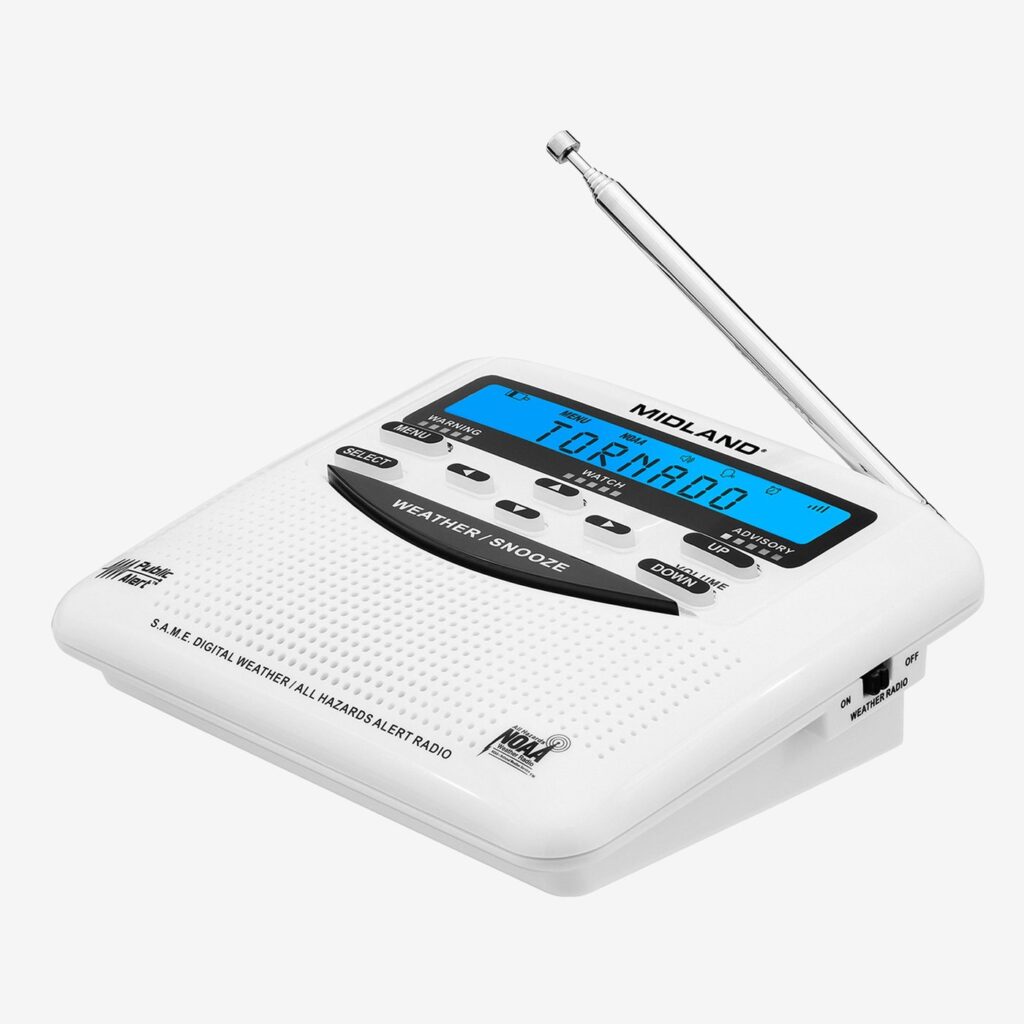
| Alerts | 85+ NOAA alert types |
| Targeting | S.A.M.E. county programming |
| Siren | 90 dB |
| Backup | 3 x AA |
The WR120 is the radio that sits on your nightstand and stays quiet until it matters. Its S.A.M.E. programming lets you set alerts for your specific county.
It monitors more than 85 types of NOAA alerts, from tornadoes to civil emergencies, and sounds a 90 dB siren. Three AA batteries keep it running if the power drops.
Pros. Wakes you for warnings. County-level alerts. Cheap.
Cons. Plugs into the wall. Not a portable radio.
Best handheld GMRS
Midland GXT1000VP4
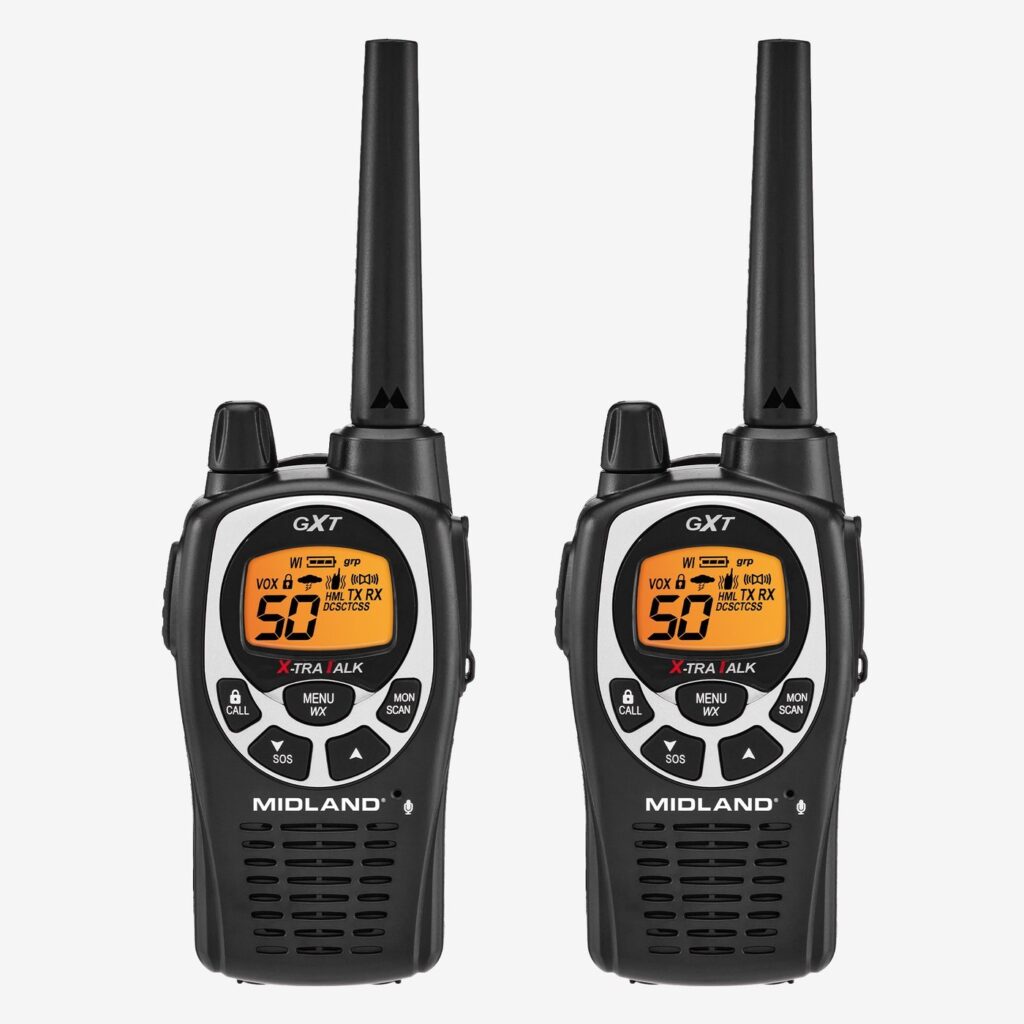
| Channels | 50 (22 plus 28 extra) |
| Privacy codes | 142 |
| Rated range | Up to 36 miles, ideal conditions |
| Water rating | JIS4 |
| Weather | NOAA scan |
For a two-pack.
When cell service goes down, a pair of GMRS radios keeps a family or a convoy talking. The GXT1000 has 50 channels and 142 privacy codes, NOAA weather scan and an SOS siren, and Midland rates it at up to 36 miles in ideal, open conditions.
Real-world range is much shorter in towns and woods, but it still beats FRS radios. GMRS requires an FCC license to transmit, which covers your whole family.
Pros. Two radios per box. NOAA alerts. SOS siren.
Cons. Needs an FCC license to transmit. Rated range is optimistic.
Best compact crank radio
American Red Cross FRX2
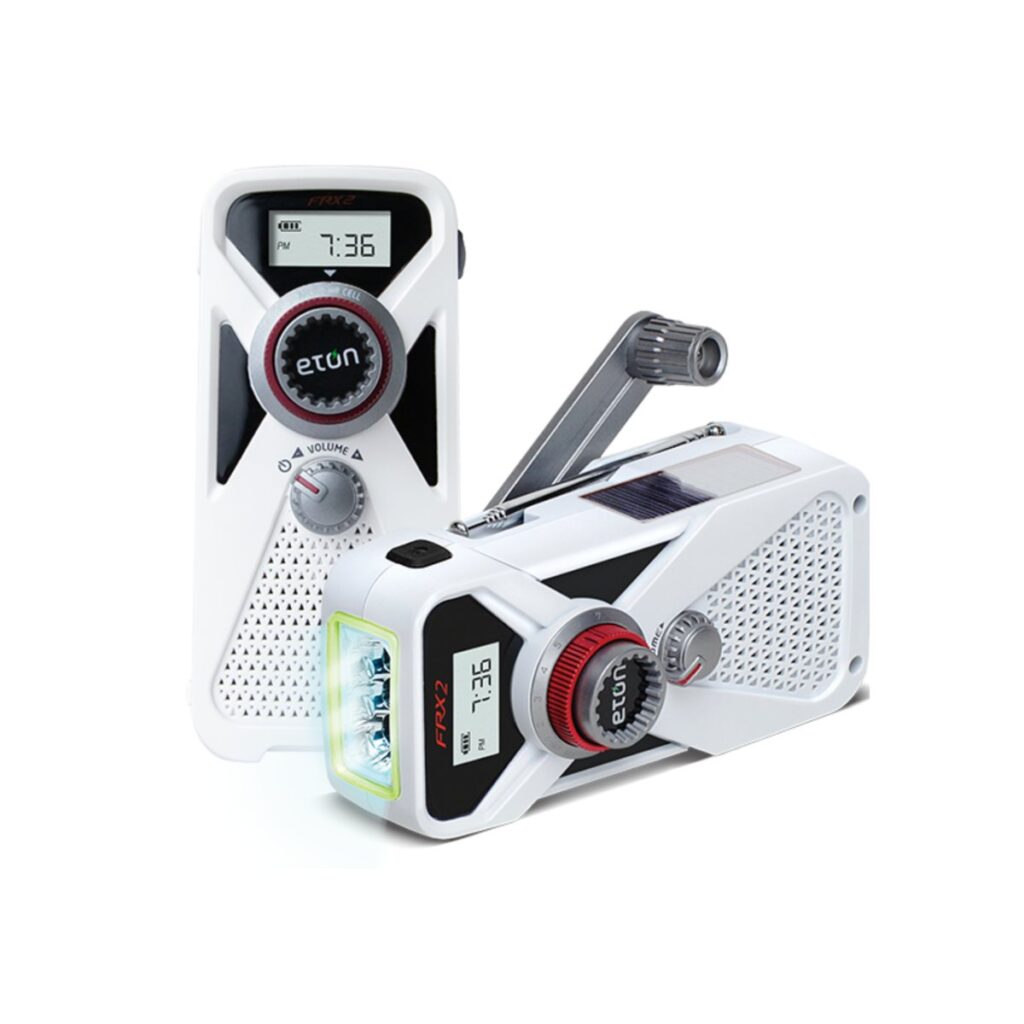
| Bands | AM, FM, 7 NOAA weather channels |
| Battery | 1,000 mAh Li-ion |
| Power | Hand crank, solar, mini-USB |
| Weight | 0.56 lb |
It was listed out of stock when we checked.
The FRX2 is small enough for a get-home bag. It weighs 0.56 pounds and pulls in AM, FM and all seven NOAA weather channels.
A hand turbine, solar panel and the included mini-USB cable top up its 1,000 mAh battery, and it has a flashlight and a USB port to charge a phone.
Pros. Small and light. Full NOAA band.
Cons. Small battery. Mini-USB charging. Out of stock at Eton when we checked.
Best budget crank radio
Midland ER210
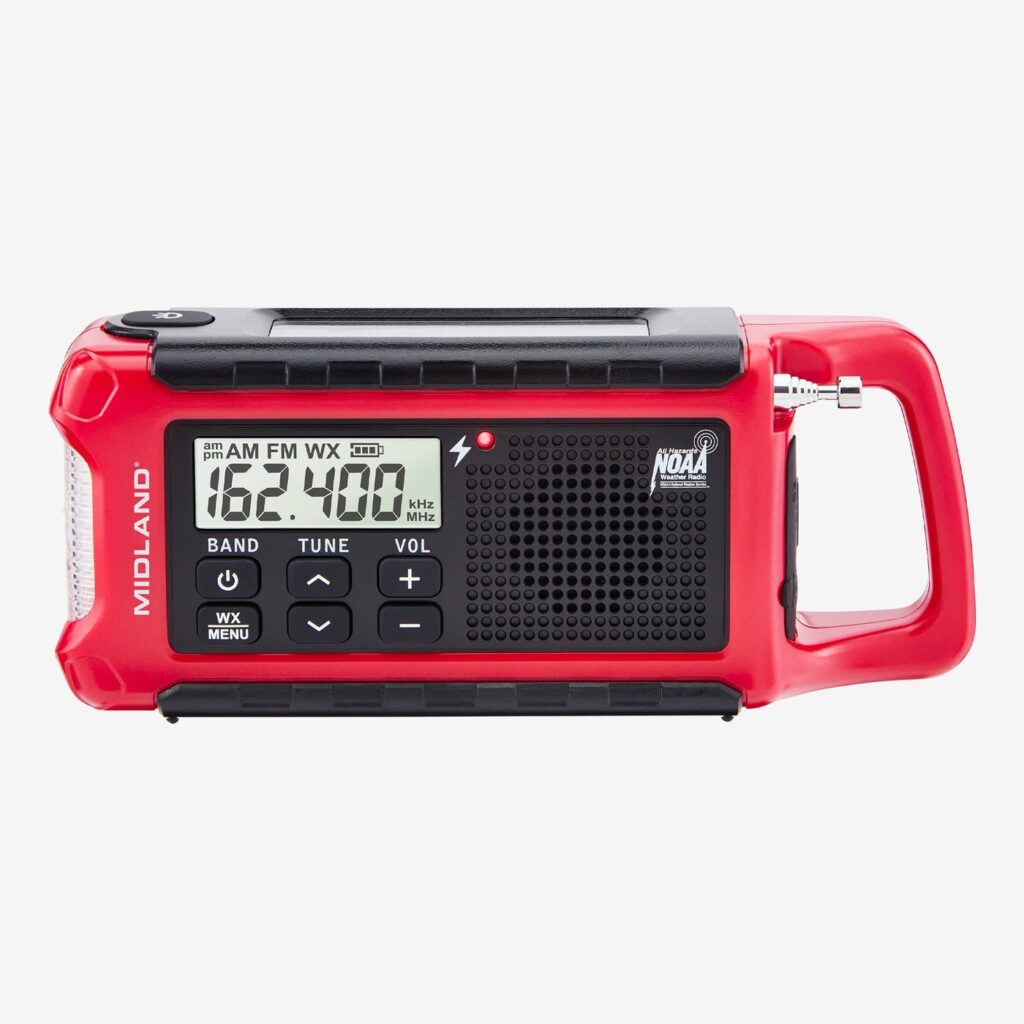
| Battery | 2,600 mAh Li-ion |
| Runtime | Up to 25 hours |
| Power | Solar, hand crank, rechargeable |
| Flashlight | 130 lumens |
| Alerts | Weather alert scan |
It was temporarily out of stock when we checked.
The ER210 is a smaller, cheaper ER310. It has a 2,600 mAh battery, rated for up to 25 hours of normal use, that can charge a phone. It has the same three power sources and a 130-lumen Cree flashlight with high and low modes.
Weather alert scan sounds an alarm for severe weather in your area.
Pros. Cheaper than the ER310. Compact. Three power sources.
Cons. Smaller battery. Out of stock at Midland when we checked.
Best vehicle GMRS
Midland MXT275
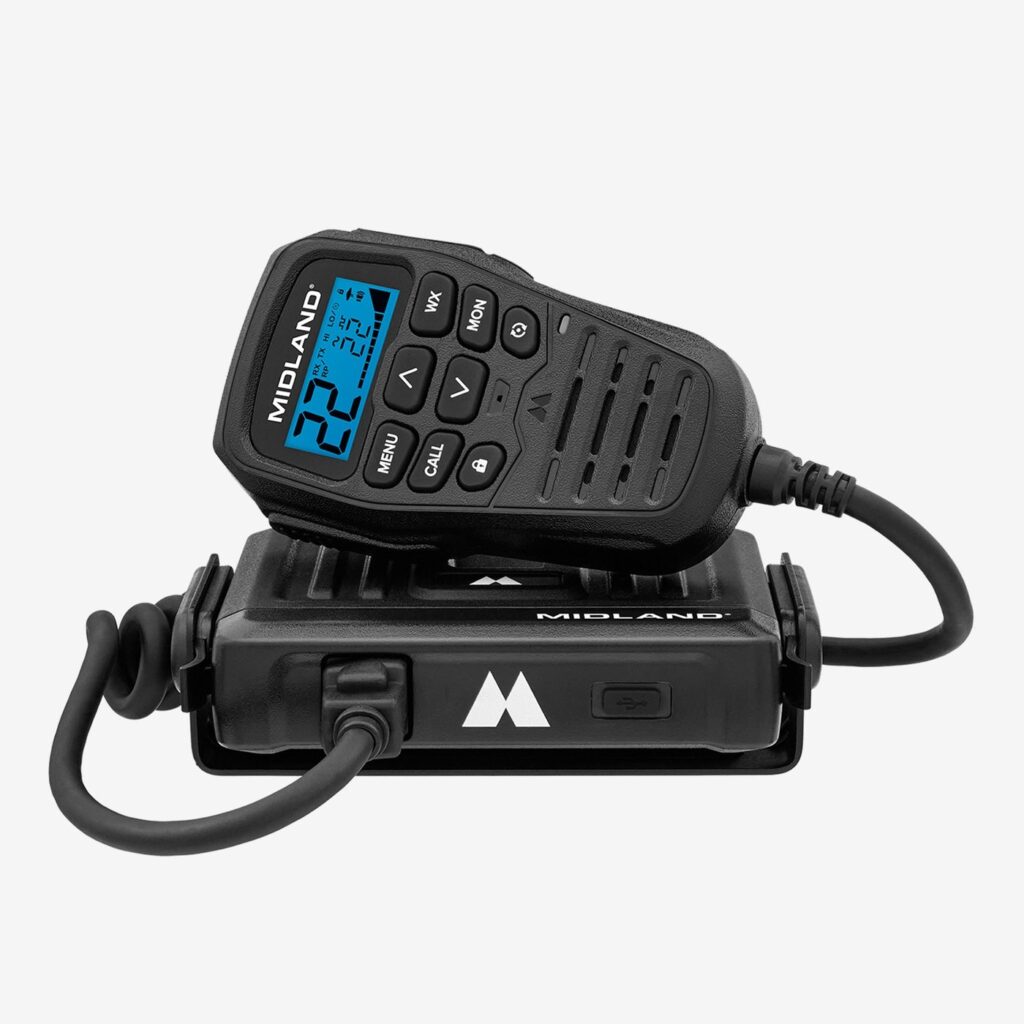
| Power | 15 W |
| Repeater channels | 8 |
| Weather | NOAA alerts |
| Install | Hideaway unit, 12V plug |
The MXT275 is a 15-watt GMRS radio for a truck, three times the power of a typical handheld. The radio unit hides under a seat or dash, and the controls live in the microphone, so it takes up almost no dashboard space.
It plugs into a 12V outlet, has eight repeater channels for longer range and receives NOAA weather alerts. It pairs with the GXT1000 handhelds above.
Pros. Real range for convoys. Clean install. Works with Midland handhelds.
Cons. Needs an FCC license. Antenna placement matters.
Also in the running
- Midland ER10. A $34.99 portable AM/FM and NOAA weather alert radio from Midland.
- Midland T71 X-Talker. License-free FRS radios with NOAA alerts for families who do not want a GMRS license.
- Eton FRX3. A larger Eton crank radio with a bigger battery.
What to look for
Power sources. The best emergency radios charge from a crank, the sun and USB. A rechargeable battery is more useful than disposable cells.
NOAA alerts. A weather band receives broadcasts. An alert radio sounds an alarm automatically, which matters overnight.
GMRS vs. FRS. GMRS radios have more power and range but need an FCC license. FRS radios are license-free with shorter range.
Phone charging. A crank can top up a phone in a pinch, but it takes a lot of cranking for a little charge.
FAQ
What is the best emergency radio for most people?
The Midland ER310. It has NOAA alerts, a 3,500 mAh battery and three ways to recharge.
Do I need a license for GMRS radios?
Yes, to transmit. The FCC license covers your immediate family and requires no exam.
What is a S.A.M.E. weather radio?
It lets you program your county so you only get alerts for your area.
Can a crank radio charge my phone?
Yes, slowly. Most of these radios have a USB output, but expect several minutes of cranking per percent of phone battery.
Sources
Product photos are from the manufacturer pages listed below. Specs and prices checked November 18, 2026.
- Midland ER310, Midland: midlandusa.com
- Midland ER210, Midland: midlandusa.com
- Midland WR120, Midland: midlandusa.com
- American Red Cross FRX2, Eton: etoncorp.com
- Midland GXT1000VP4, Midland: midlandusa.com
- Midland MXT275, Midland: midlandusa.com