The 6 Best Portable Power Stations for Home Outages in 2026
Six portable power stations that keep a fridge, a CPAP and your phones running when the grid goes down, from a $459 EcoFlow to a $1,500 Goal Zero. Capacity, output and current prices.
- Picks
- 6
- Min read
- 5
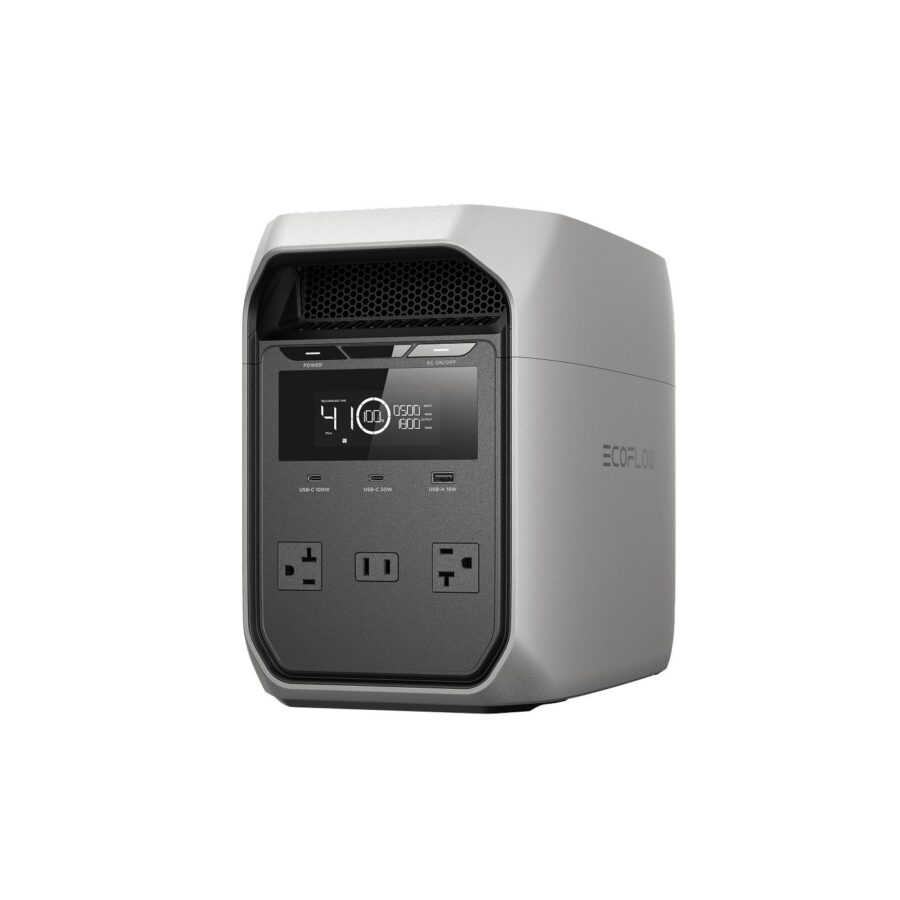
When the power goes out for a day, a gas generator means extension cords, fumes and a trip for fuel in the storm. A portable power station is a big lithium battery with real outlets. It runs silently indoors, recharges from the wall, your truck or solar panels, and keeps the fridge, a CPAP, the router and phones alive.
This guide covers six of them, from a 677 Wh Goal Zero to a 2,080 Wh BLUETTI. Every spec comes from the maker, and every price is what those makers listed as of November 18, 2026.
Quick picks
| # | Pick | Best for | Price |
|---|---|---|---|
| 01 | 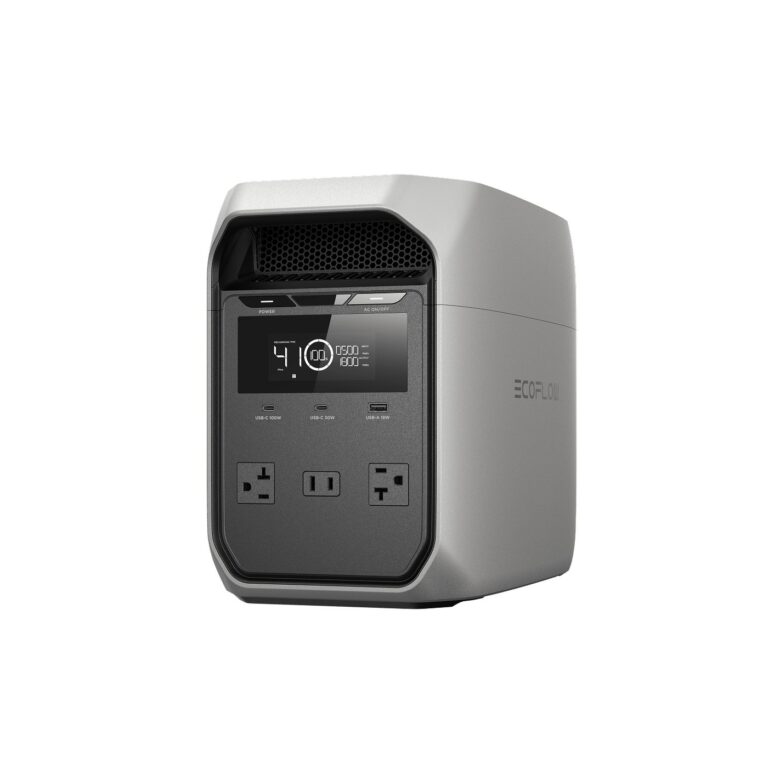 EcoFlow DELTA 3 Classic | Best value | $459 |
| 02 | 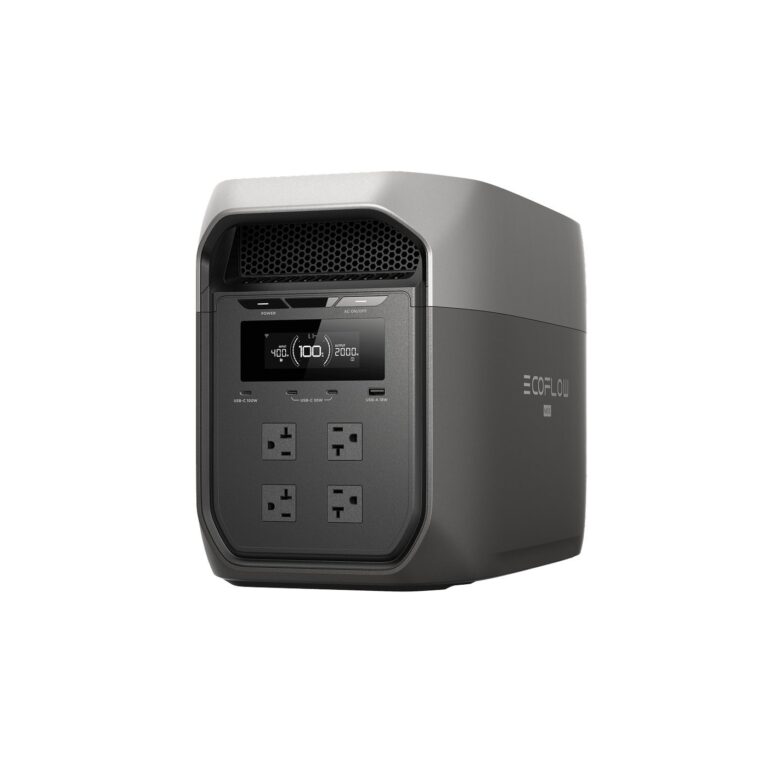 EcoFlow DELTA 3 Max | Best mid-size | $879 |
| 03 | 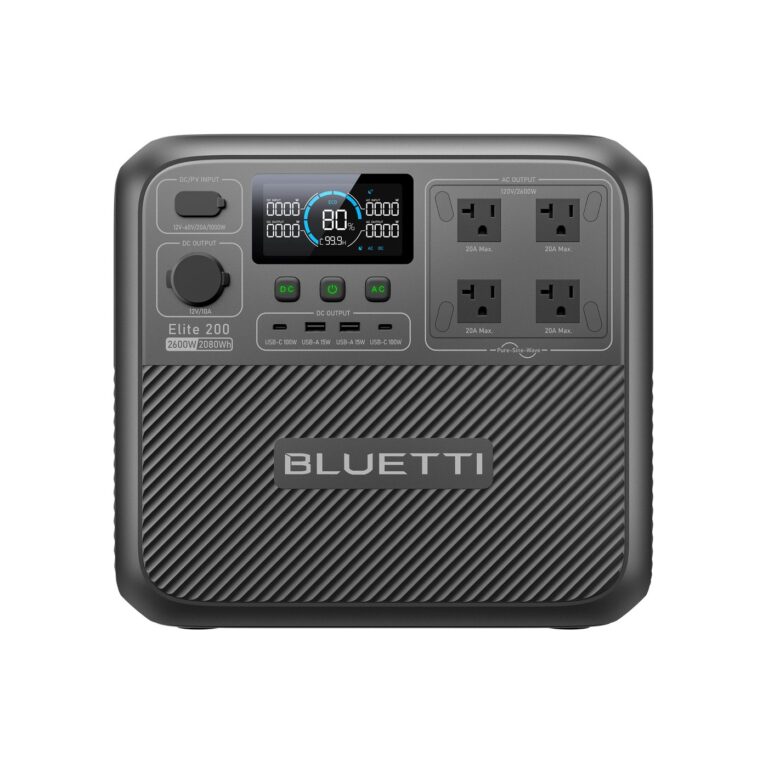 BLUETTI Elite 200 V2 | Best capacity for the money | $899 |
| 04 | 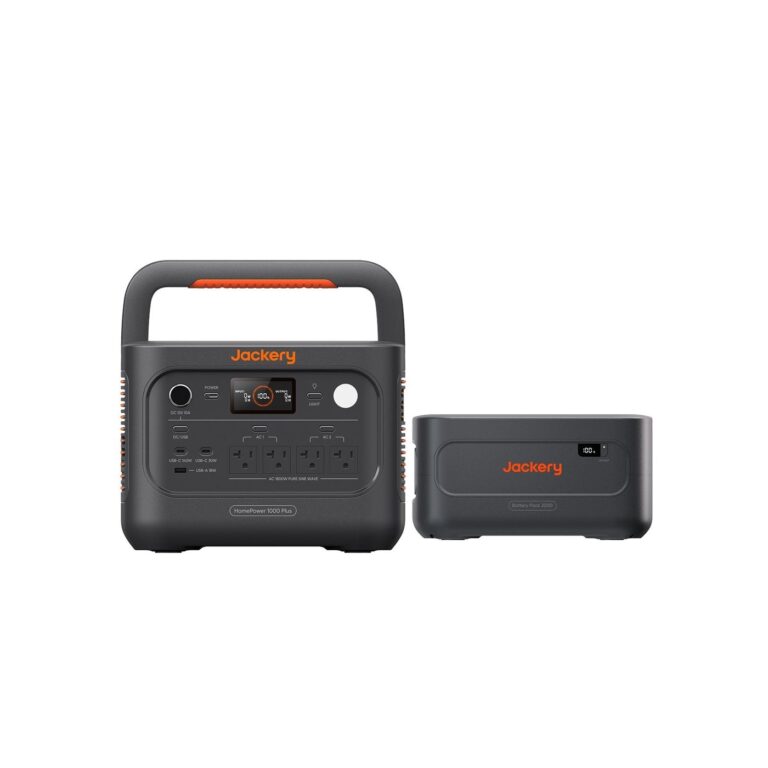 Jackery HomePower 1000 Plus v2 | Best expandable | $749 |
| 05 | 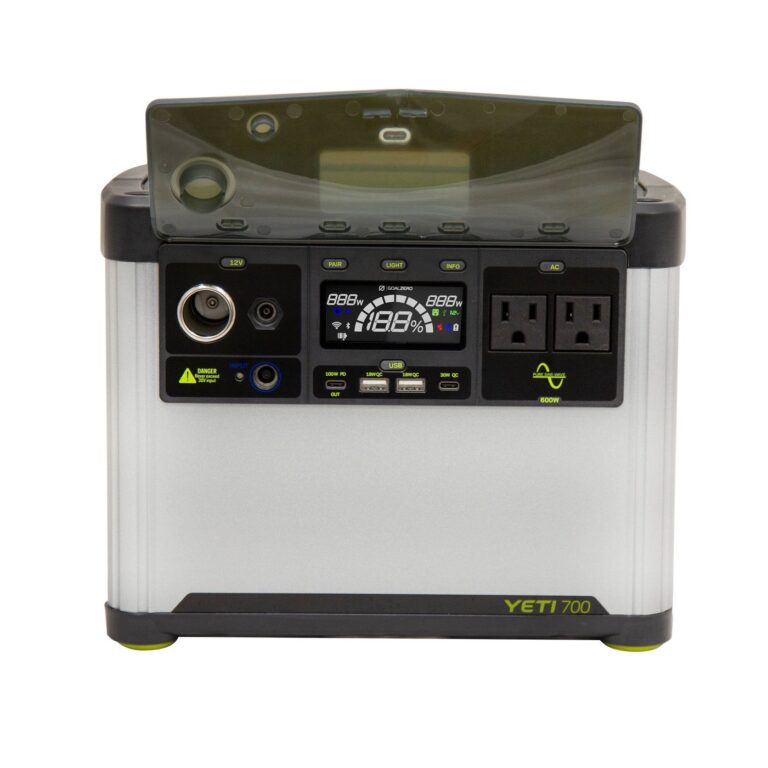 Goal Zero Yeti 700 | Best compact | $699.95 |
| 06 | 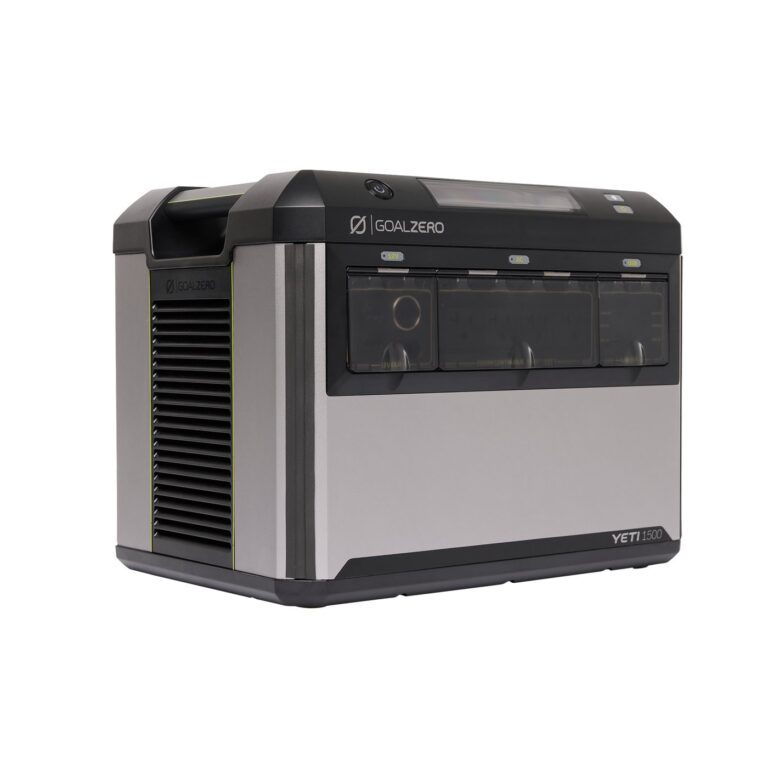 Goal Zero Yeti 1500 | Best weather-rated | $1,499.95 |
How we picked
These picks are research-based. I compared current lineups from EcoFlow, BLUETTI, Jackery and Goal Zero, then checked each finalist’s capacity, continuous output, surge, charging speed, battery chemistry and weight against the maker’s spec sheet.
Each pick had to clear four bars:
- LiFePO4 (LFP) battery cells, which last thousands of cycles and handle heat better than older lithium chemistries.
- At least 600 watts of continuous AC output.
- Wall, car and solar charging.
- Current availability from the maker.
EcoFlow’s original DELTA Pro was on our shortlist, but EcoFlow says it will not be restocked, so it is out. The rankings come from specs and owner track records, not my own use. Our How we pick page explains the method.
The picks
Best value
EcoFlow DELTA 3 Classic
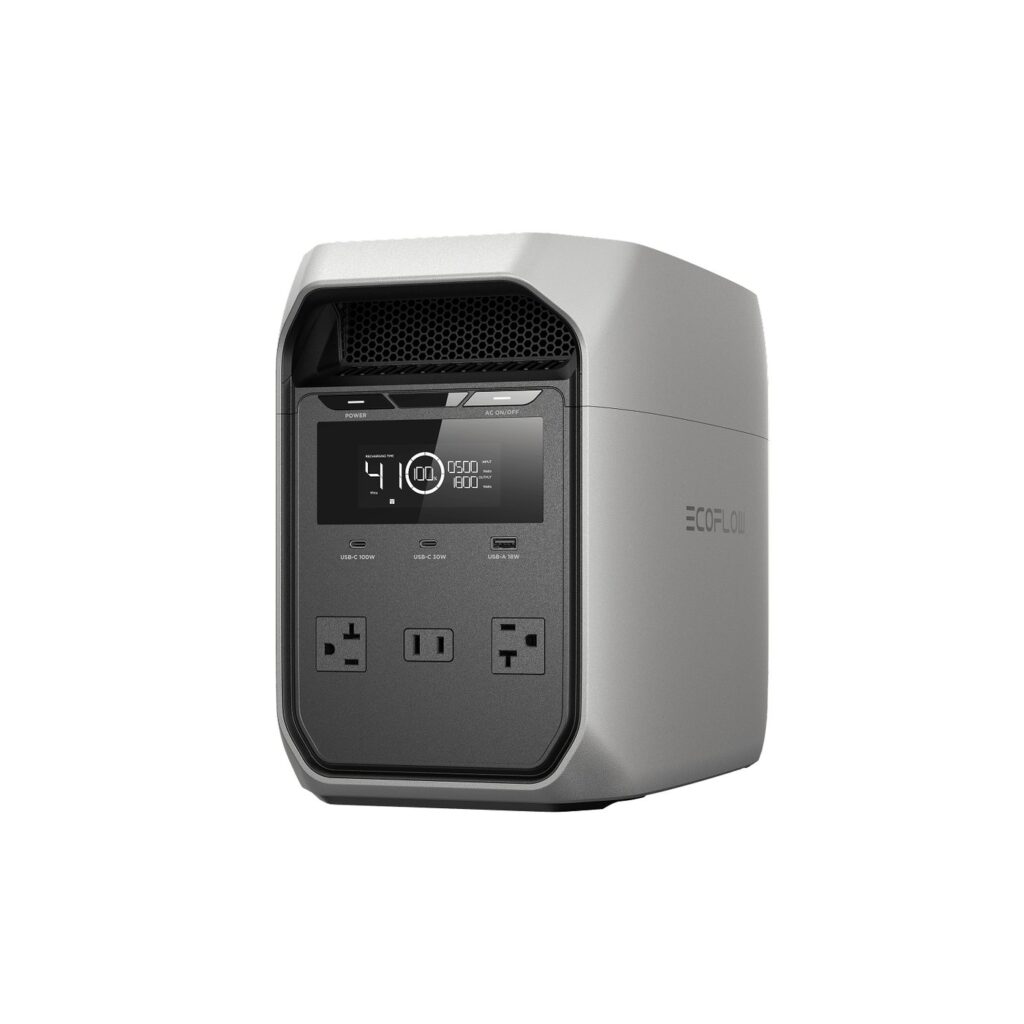
| Capacity | 1,024 Wh |
| Output | 1,800 W continuous, 3,600 W surge |
| Battery | LFP |
| Recharge | 0 to 80% in about 45 min on AC |
| UPS switchover | 10 ms |
For most households, the DELTA 3 Classic is the right size and price. It holds 1,024 Wh, enough to keep a full-size fridge running for most of a day or a CPAP for several nights, and puts out 1,800 W continuous with a 3,600 W surge.
EcoFlow’s X-Boost mode runs some resistive loads up to 2,600 W, such as a coffee maker or microwave, by lowering the voltage. A 10 ms auto-switch lets it work like a UPS for a router or NAS. It recharges from 0 to 80% in about 45 minutes on AC and runs near 30 dB at 600 W.
Pros. Strong output for the price. Fast recharge. UPS function.
Cons. 1 kWh will not cover a long outage. Not expandable.
Best mid-size
EcoFlow DELTA 3 Max
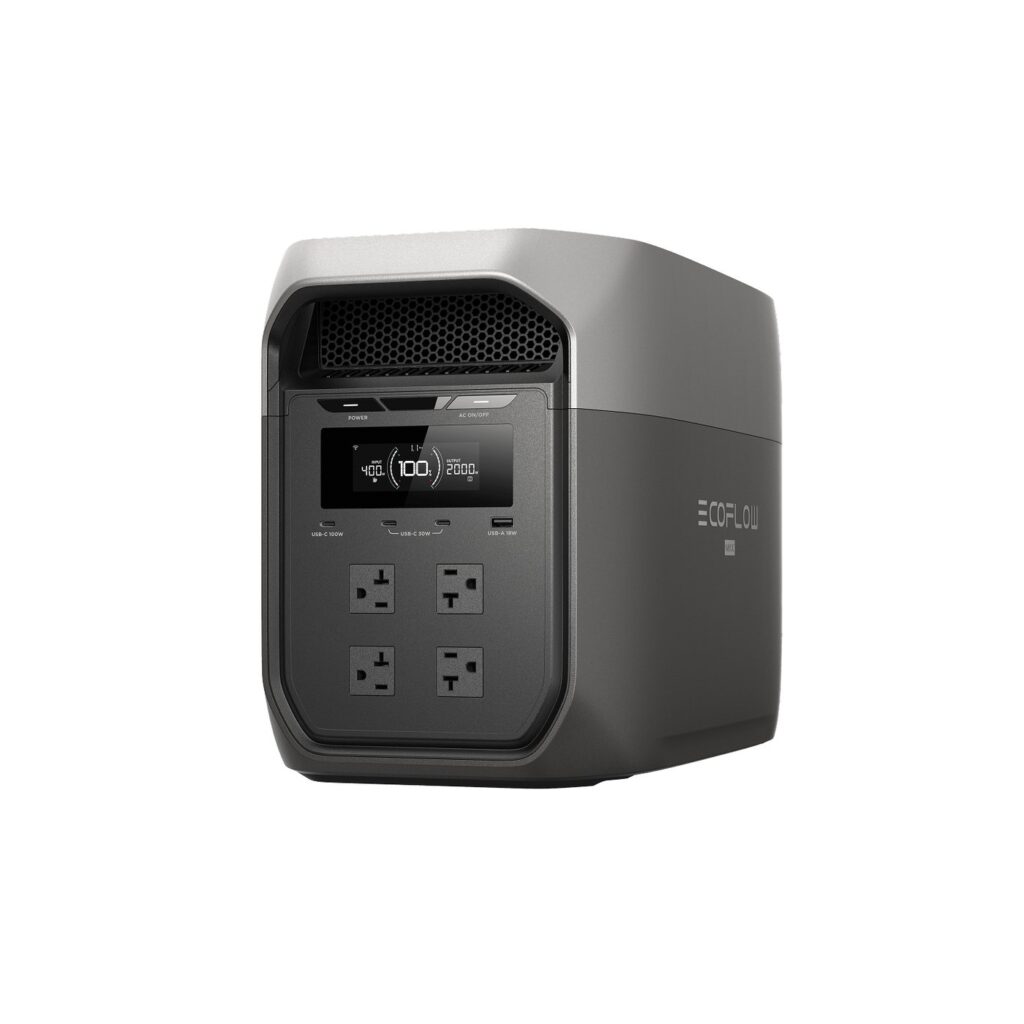
| Capacity | 2,048 Wh |
| Output | 2,400 W continuous, 4,800 W surge |
| Battery | LFP |
| Recharge | 0 to 80% in about 68 min |
| Weight | 20.3 kg (about 45 lb) |
For the DELTA 3 Max.
The DELTA 3 Max doubles the Classic’s capacity to 2,048 Wh, which turns a one-day buffer into a two-day one. It puts out 2,400 W continuous and 4,800 W surge, and X-Boost handles some resistive loads up to 3,400 W.
It recharges from 0 to 80% in about 68 minutes on wall or generator power and weighs 20.3 kg, about 45 pounds. EcoFlow sells the higher-output DELTA 3 Max Plus on the same page, so make sure you pick the right one.
Pros. Two days of essentials. Strong output. EcoFlow app and accessories.
Cons. Heavy. The Max and Max Plus are easy to confuse.
Best capacity for the money
BLUETTI Elite 200 V2
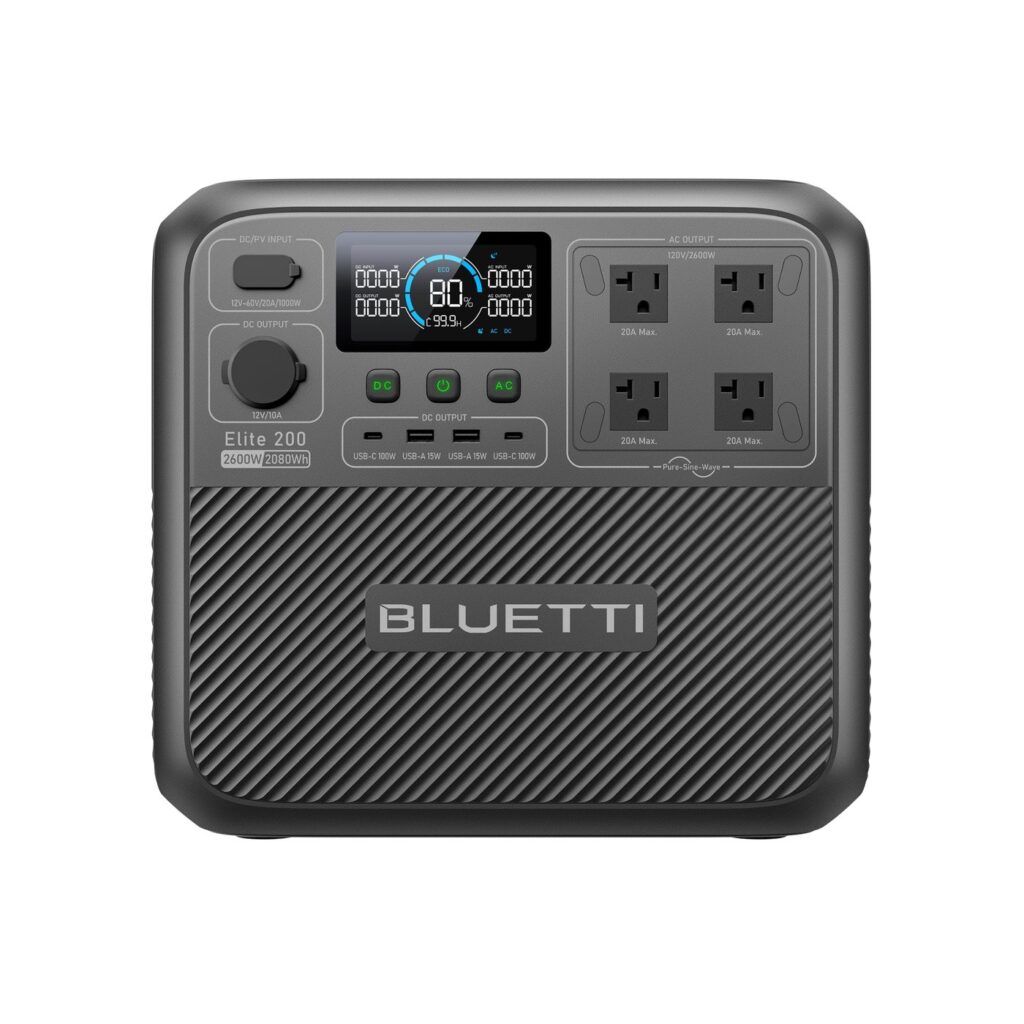
| Capacity | 2,073.6 Wh |
| Output | 2,600 W continuous |
| Power Lifting | Up to 3,900 W resistive |
| AC input | Up to 1,800 W |
| Recharge | 80% in about 1.1 hr |
The Elite 200 V2 holds 2,073.6 Wh, which BLUETTI rounds to 2,080, and puts out 2,600 W continuous. Its Power Lifting mode runs pure resistive loads up to 3,900 W.
BLUETTI rates it to reach 80% in about 1.1 hours, with up to 1,800 W of AC input. It costs only $20 more than the DELTA 3 Max for more output.
Pros. Most continuous output here. Fast charging. Fair price.
Cons. Smaller accessory ecosystem than EcoFlow.
Best expandable
Jackery HomePower 1000 Plus v2
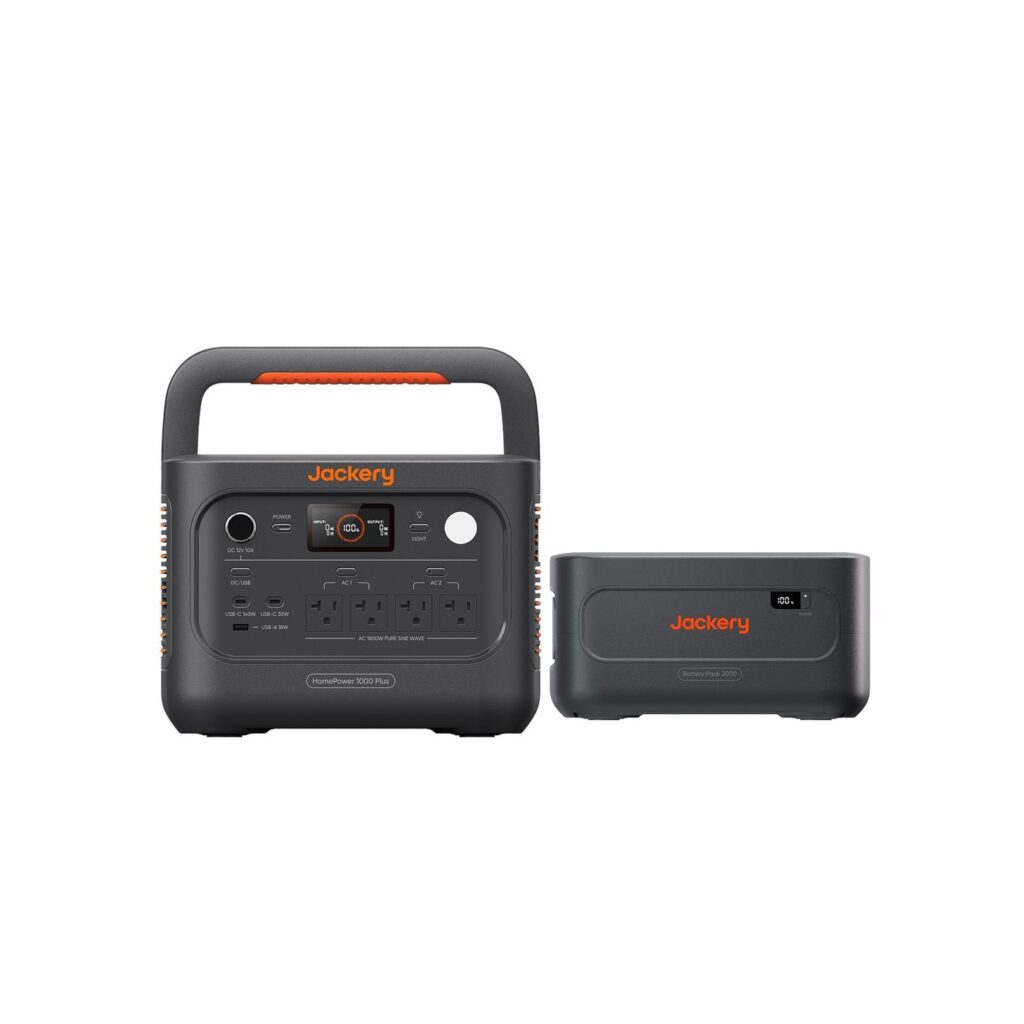
| Capacity | About 1 kWh, expandable to about 11 kWh |
| Output | 1,800 W continuous, 3,600 W peak |
| Weight | 23.8 lb |
| Size | 12.4 x 7.9 x 9.2 in |
The HomePower 1000 Plus v2 starts at about 1 kWh, but Jackery lets you add up to five 2 kWh expansion batteries for roughly 11 kWh total. That is the path to riding out a multi-day outage without a generator.
It puts out 1,800 W continuous and 3,600 W peak, enough to start and run many corded power tools. At 23.8 pounds and 12.4 x 7.9 x 9.2 inches, it carries one-handed.
Pros. Big expansion path. Light for its output. Pure sine wave.
Cons. Expansion batteries add up fast. Some colors were on pre-order when we checked.
Best compact
Goal Zero Yeti 700
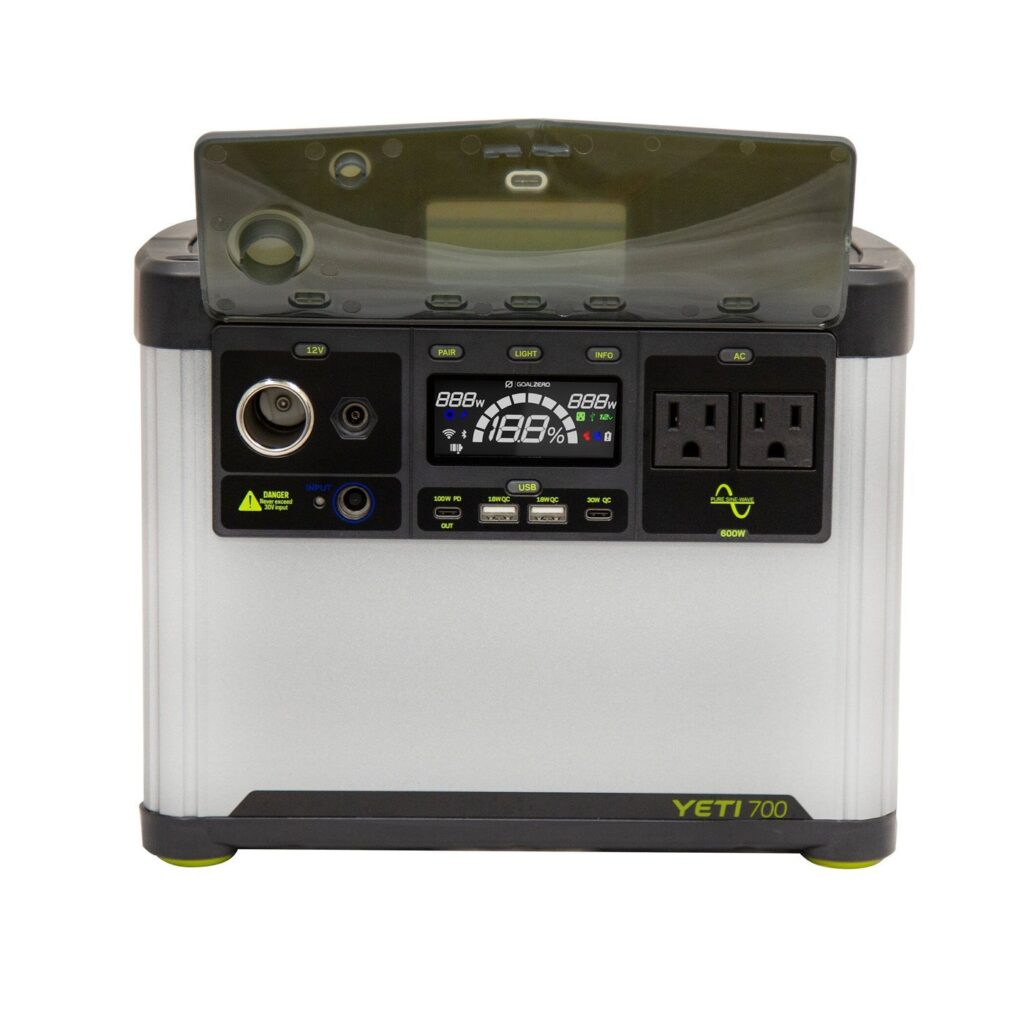
| Capacity | 677 Wh |
| Output | 600 W continuous, 1,000 W surge |
| Battery | LiFePO4, 4,000+ cycles |
| AC charging | Up to 500 W |
| Weight | 20.3 lb |
The Yeti 700 is for apartments, small homes and people who mostly need phones, lights, a CPAP and a router. It holds 677 Wh in LFP cells rated for 4,000-plus cycles, and its inverter puts out 600 W with a 1,000 W surge.
At 20.3 pounds it is easy to move room to room. Goal Zero built it to handle mud, dust and water better than most compact stations.
Pros. Long cycle life. Tough build. Easy to carry.
Cons. 600 W will not run a microwave or space heater. Pricey for its capacity.
Best weather-rated
Goal Zero Yeti 1500
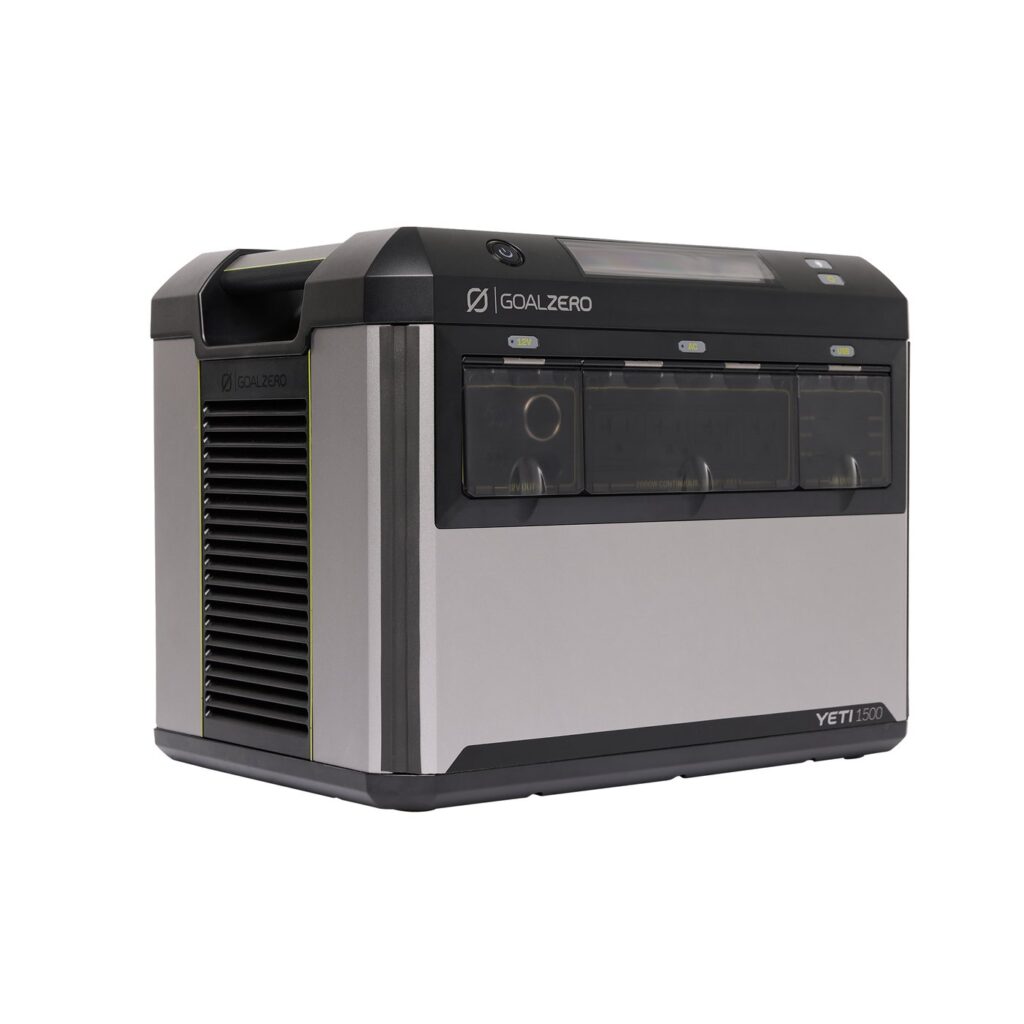
| Capacity | 1,505 Wh |
| Output | 2,000 W continuous, 3,600 W surge |
| Water rating | IPX4 |
| Solar input | Up to 900 W combined |
| Weight | 52.75 lb |
New for 2026, the Yeti 1500 holds 1,505 Wh and runs a 2,000 W pure sine inverter with a 3,600 W surge. Its IPX4 rating means it handles splashing water, so it can live in a garage, barn or tailgate.
It charges at up to 1,500 W from the wall and takes up to 900 W of combined solar. Goal Zero rates the LiFePO4 pack for 4,000 cycles and backs it with a 5-year warranty. It weighs 52.75 pounds.
Pros. Weather rated. Fast AC and solar charging. 5-year warranty.
Cons. Heavy. Costs more than larger stations.
Also in the running
- EcoFlow DELTA Pro. A 3.6 kWh home-backup station that EcoFlow says will not be restocked.
- EcoFlow DELTA Pro 3. The 4 kWh successor, listed at $2,799 but unavailable until a limited restock expected in late January.
- Anker SOLIX stations. Strong options that I could not verify for this update.
What to look for
Capacity in Wh. Add up what you need to run and for how long. A fridge uses roughly 1 to 2 kWh a day.
Continuous output. This is the most the station can power at once. Surge only covers a motor’s startup.
Chemistry. LiFePO4 (LFP) cells last thousands of cycles. Avoid older chemistries for home backup.
Recharging. Fast AC charging helps between outages. Solar input matters if the outage runs for days.
FAQ
What size power station do I need for a home outage?
For a fridge, phones, lights and a router for a day, about 1,000 to 2,000 Wh.
Can a power station run a refrigerator?
Yes. All six here have enough output for a typical fridge. Capacity decides how long.
Can I use a power station indoors?
Yes. Unlike gas generators, they make no exhaust.
What is the best power station for most people?
The EcoFlow DELTA 3 Classic at $459. It has 1,024 Wh, 1,800 W output and fast recharging.
Sources
Product photos are from the manufacturer pages listed below. Specs and prices checked November 18, 2026.
- EcoFlow DELTA 3 Classic, EcoFlow: us.ecoflow.com
- EcoFlow DELTA 3 Max, EcoFlow: us.ecoflow.com
- BLUETTI Elite 200 V2, BLUETTI: bluettipower.com
- Jackery HomePower 1000 Plus v2, Jackery: jackery.com
- Goal Zero Yeti 700, Goal Zero: goalzero.com
- Goal Zero Yeti 1500, Goal Zero: goalzero.com
- EcoFlow DELTA Pro status, EcoFlow: us.ecoflow.com