The Get-Home Bag: 6 Things to Keep in Your Car
What to keep in your car to get home on foot when the roads lock up, from the bag and a jump starter to water, light, shelter and a tool. Published specs and current prices.
- Picks
- 6
- Min read
- 5
Most emergencies do not start at home. They start when you are 30 miles away at work, and the highway is closed, the battery is dead or the storm came in faster than the forecast. A get-home bag is the small kit that lives in your trunk and gets you back to your door, on foot if it has to.
It is lighter than a 72-hour bag because it only needs to cover a day or two. This guide covers six pieces, one per job. Every spec comes from the maker or a major authorized retailer, and every price is what those sellers listed as of November 18, 2026.
Quick picks
| # | Pick | Best for | Price |
|---|---|---|---|
| 01 | 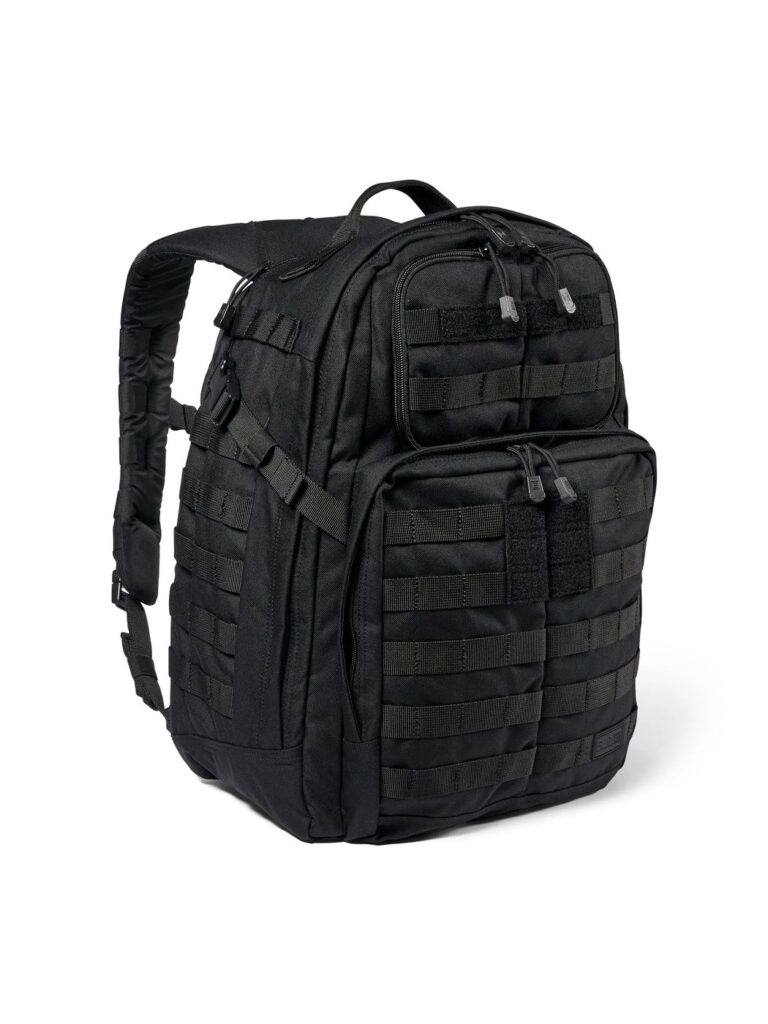 5.11 RUSH24 2.0 | The bag | $98 |
| 02 | 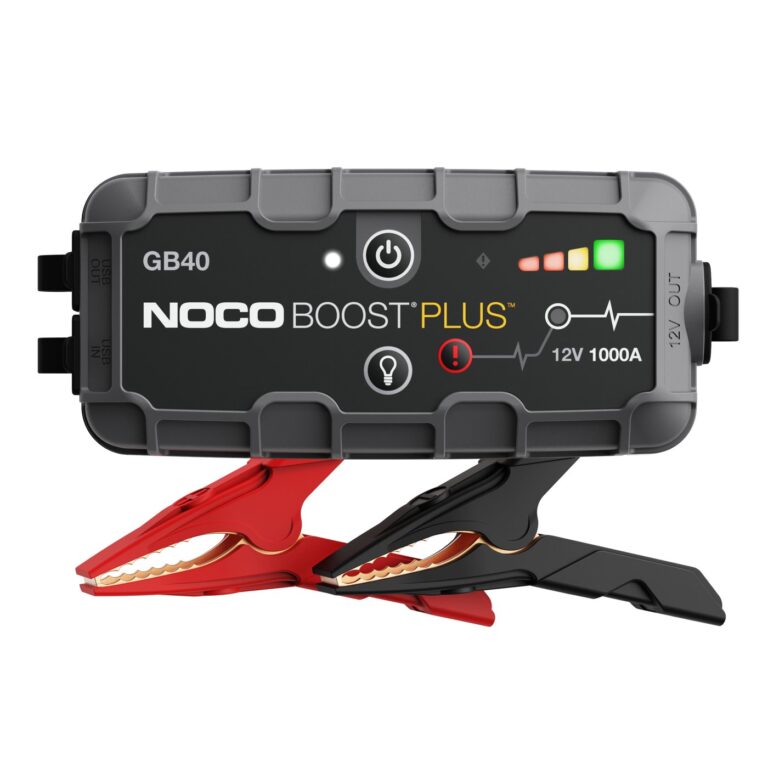 NOCO Boost Plus GB40 | Jump starter | $99.95 |
| 03 | 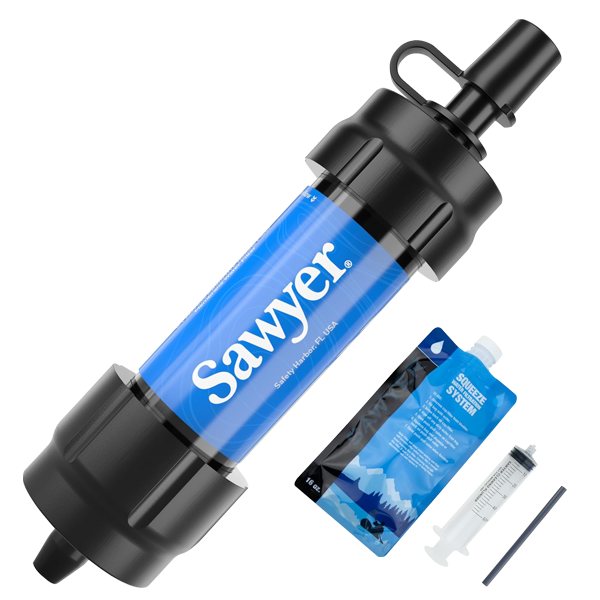 Sawyer Mini | Water | $25 |
| 04 | 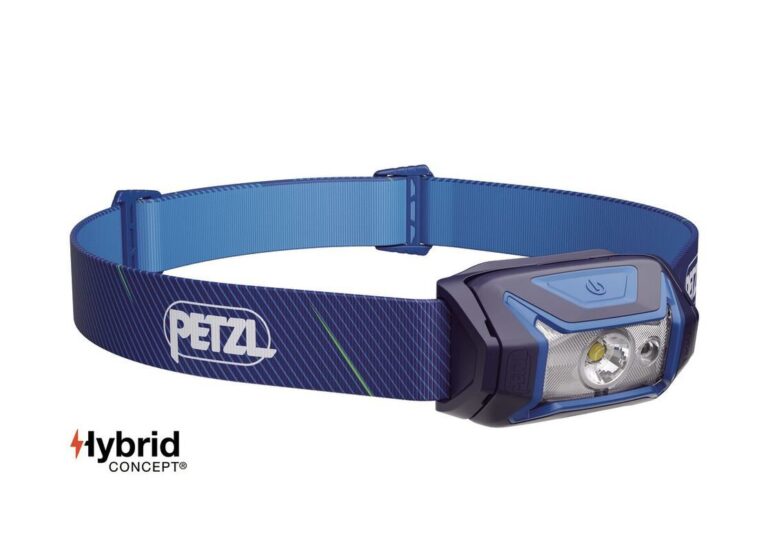 Petzl TIKKA | Light | $34.95 |
| 05 | 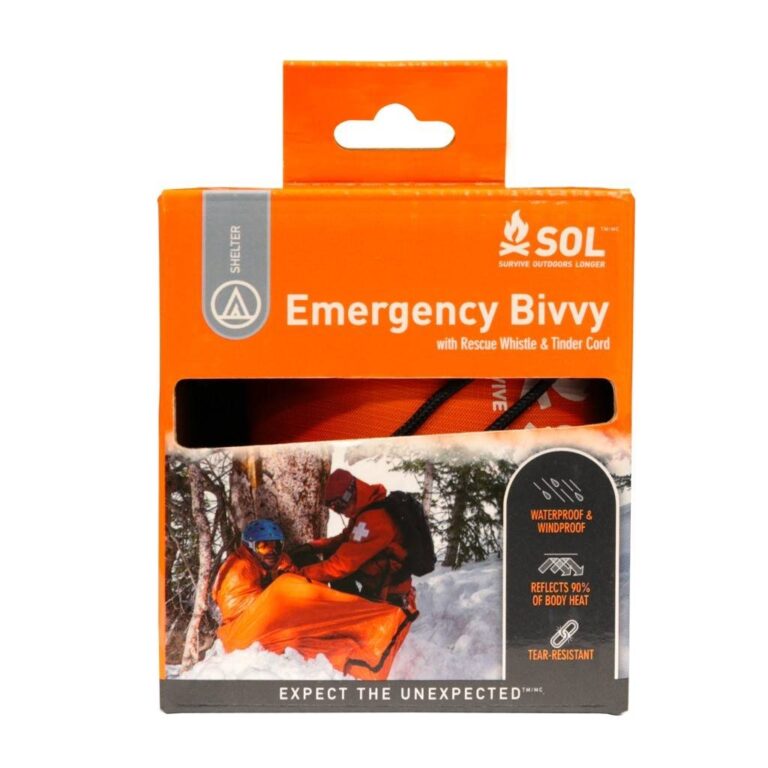 SOL Emergency Bivvy with Rescue Whistle | Shelter | $24.49 |
| 06 | 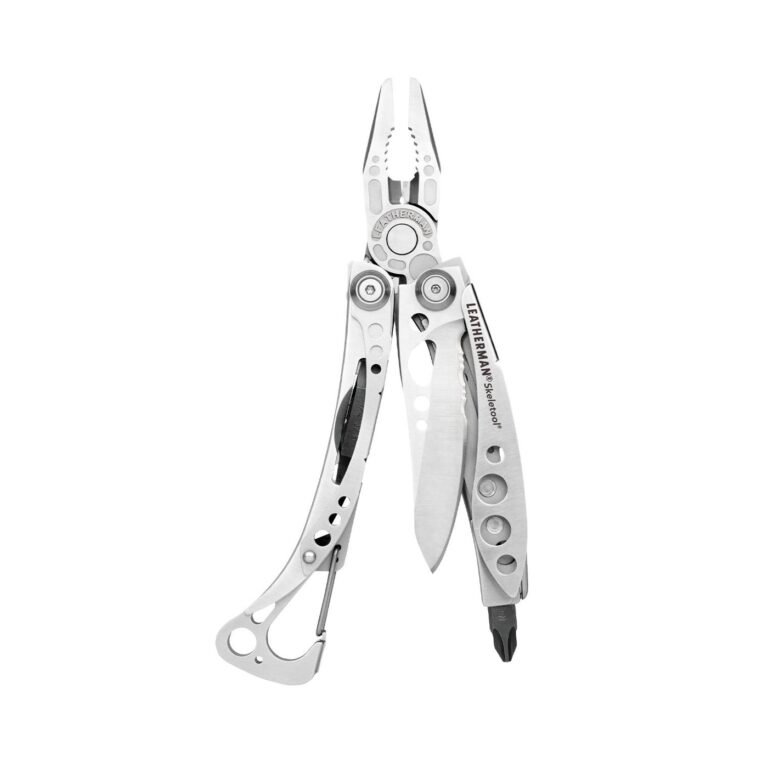 Leatherman Skeletool | Tool | $74.95 |
How we picked
These picks are research-based. I built the list around the jobs a car kit has to do: get the car running, and if it will not, get you home on foot. Each pick came from a brand with a long track record, and its specs were checked against the maker’s page.
Each pick had to clear four bars:
- It survives months in a hot or cold trunk.
- It is light enough to carry for miles.
- It has a published spec for its job.
- It is simple to use in the dark and under stress.
Add water bottles, snacks, walking shoes, a warm layer, gloves, a phone cable and cash. The rankings come from specs and owner track records, not my own use. Our How we pick page explains the method.
The picks
The bag
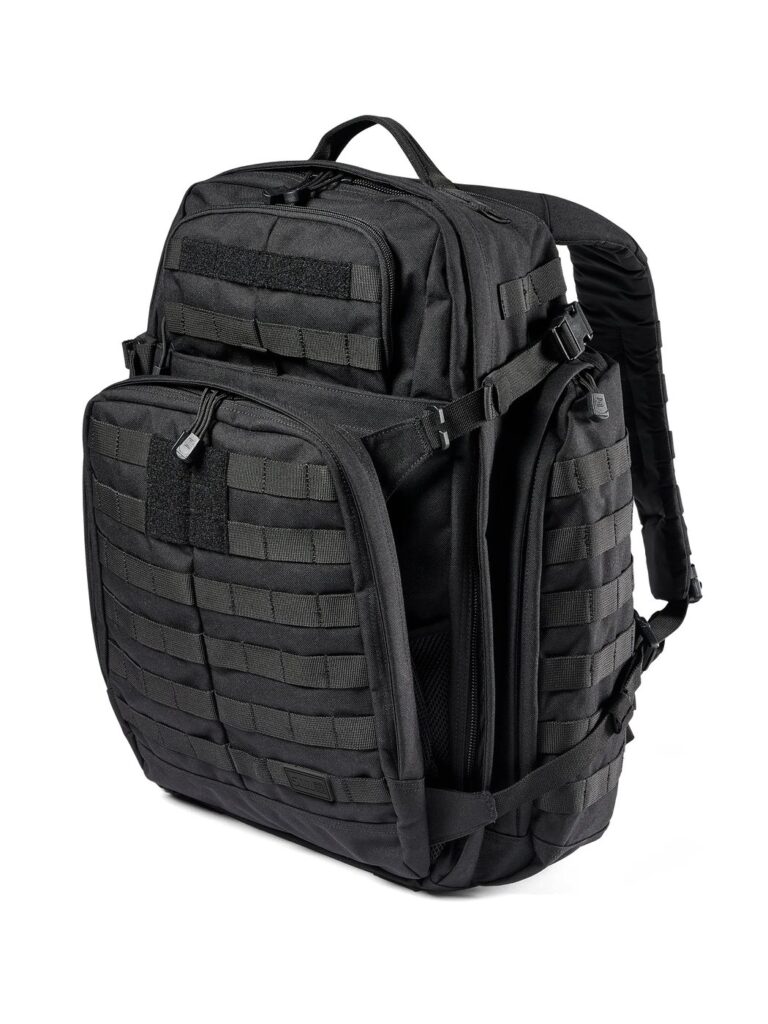
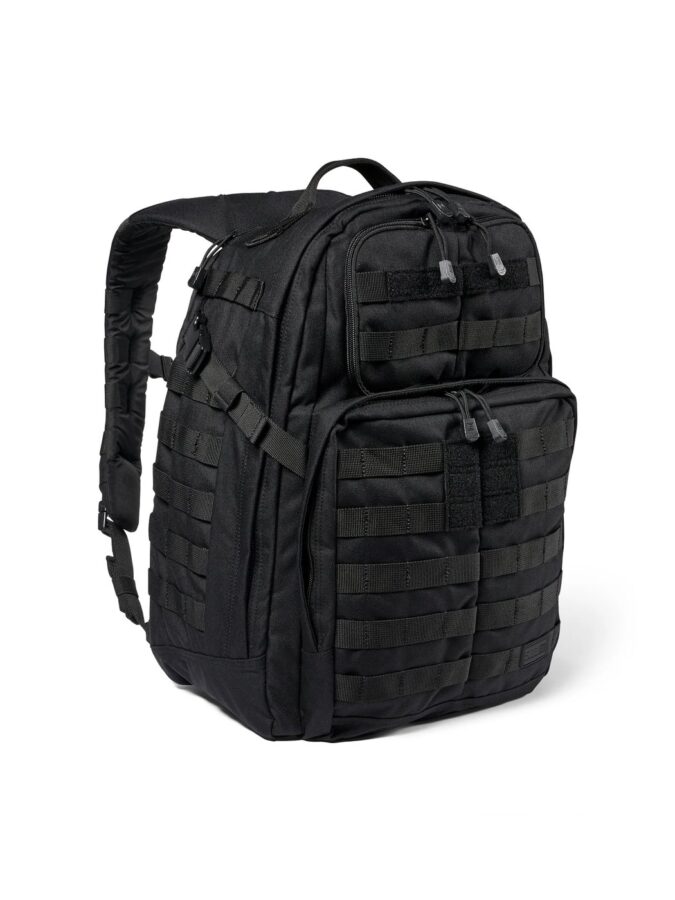
5.11 RUSH24 2.0
| Capacity | 37 L (2,275 cu in) |
| Weight | 3.85 lb |
Marked down from $140 in some colors.
The RUSH24 is the smaller sibling of the RUSH72 in our 72-hour bag guide. At 37 liters, it holds a day or two of gear without tempting you to overpack.
It weighs 3.85 pounds empty and has the RUSH line’s organization and MOLLE webbing. A neutral color draws less attention than coyote or MultiCam if you have to walk through town.
Pros. Right size for a car. Tough. Lots of organization.
Cons. Heavy for a daypack.
Jump starter
NOCO Boost Plus GB40
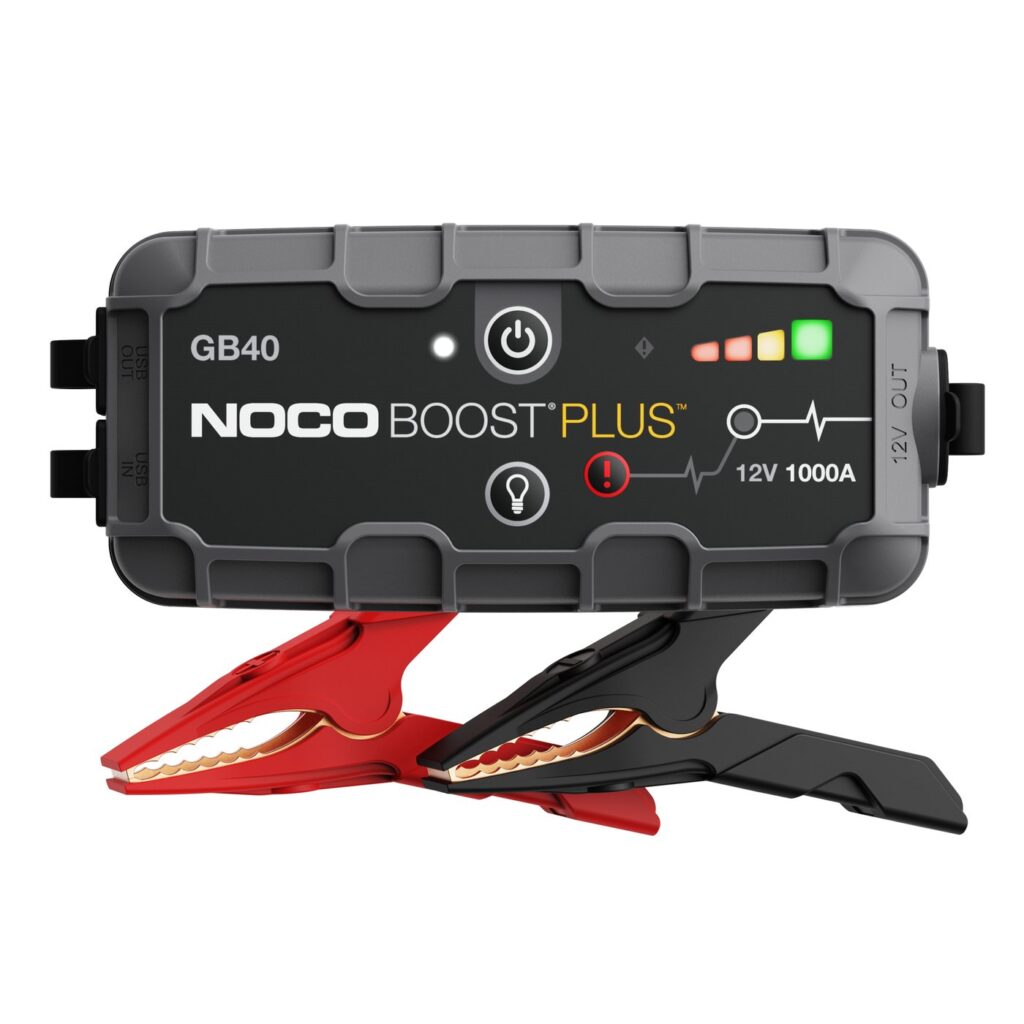
| Peak current | 1,000 A |
| Engines | Gas up to 6.0 L, diesel up to 3.0 L |
| Jumps per charge | Up to 20 |
| Extras | USB power bank, up to 4 phone charges |
The best way to get home is to drive. The GB40 is a 12V lithium jump starter with 1,000 amps of starting power, rated for gas engines up to 6.0 liters and diesels up to 3.0 liters. NOCO says it delivers up to 20 jump starts per charge.
Its spark-proof clamps and reverse polarity protection make it hard to hook up wrong, and it doubles as a USB power bank, good for up to four smartphone recharges.
Pros. No second car needed. Safe clamps. Charges a phone.
Cons. Recharge it every few months. Too small for big diesels.
Water
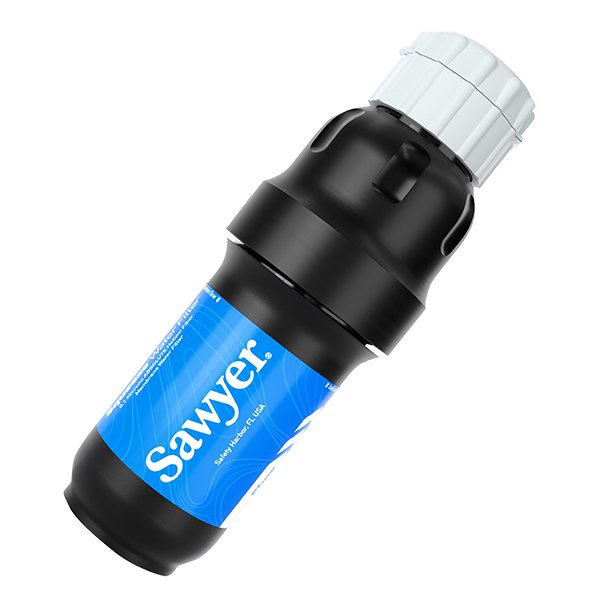
Sawyer Mini
| Filter | 0.1 micron hollow fiber |
| Includes | 16 oz reusable pouch, straw |
| Weight | About 2 oz |
Retailers list it from about $22 to $29.
The Mini is a smaller Squeeze. Its 0.1-micron filter screws onto the included 16-ounce pouch or a standard bottle, or you can drink straight through it with the straw.
It weighs about 2 ounces and fits in a glove box. It does not remove viruses, so it is for creeks and rain barrels, not floodwater.
Pros. Tiny. Cheap. Many ways to use it.
Cons. Slower flow than the Squeeze. No virus protection.
Light
Petzl TIKKA
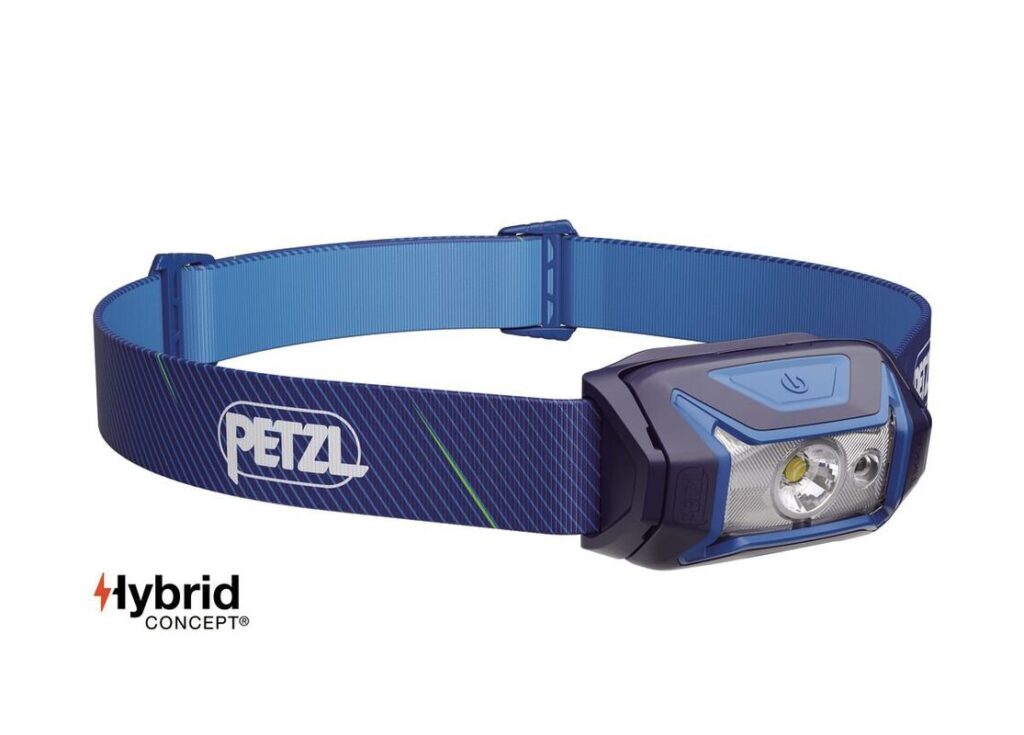
| Max output | 350 lumens |
| Weight | 94 g |
| Battery | 3 x AAA, included, or CORE |
| Extras | Red lighting |
A walk home after dark needs a headlamp. The TIKKA puts out 350 lumens with a wide, even beam and a red mode, and it weighs 94 grams.
For a car kit, its battery system matters most. It runs on three AAA batteries, which hold their charge for years in a trunk, or on Petzl’s CORE rechargeable pack.
Pros. AAA batteries for long storage. Light. Simple.
Cons. Less throw than pricier headlamps.
Shelter
SOL Emergency Bivvy with Rescue Whistle
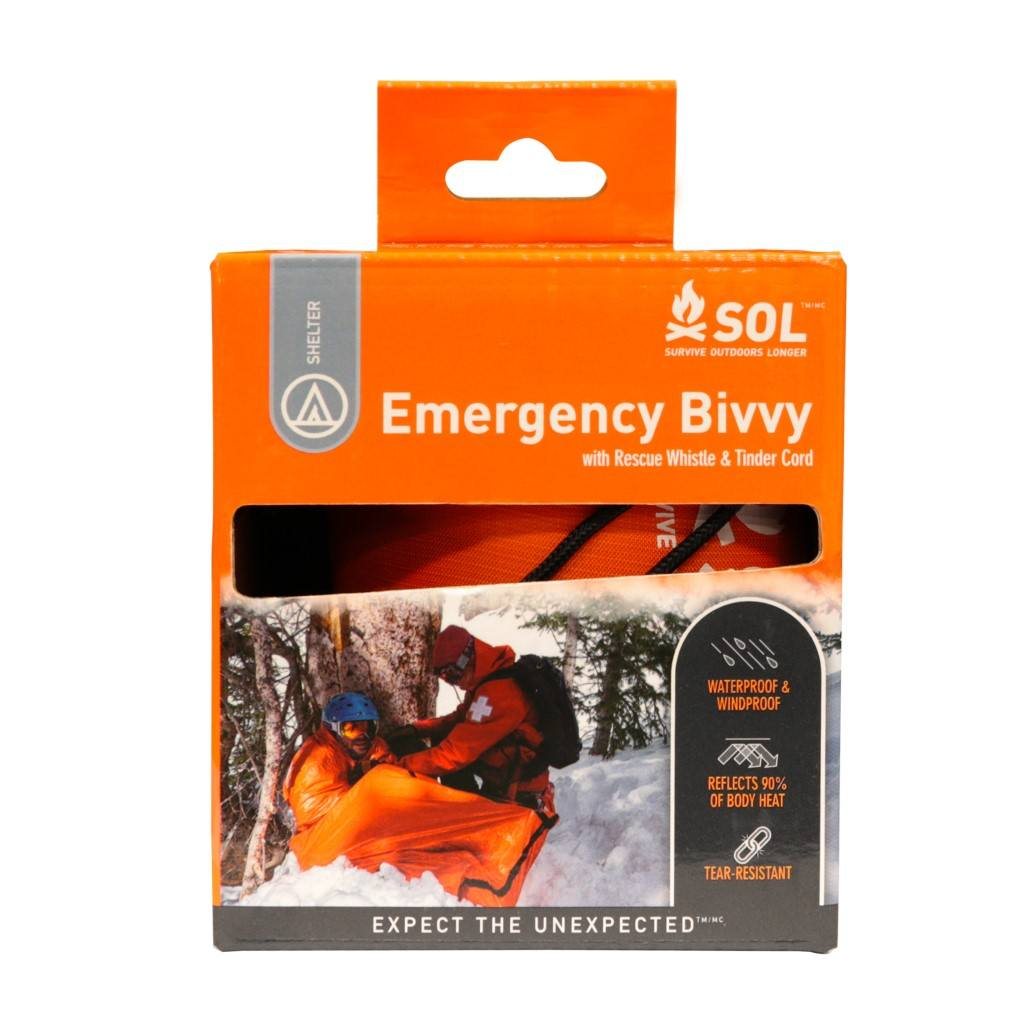
| Weight | Under 4 oz |
| Heat reflection | 90% of body heat |
| Extras | Whistle, tinder cord |
If you get stuck overnight, the Emergency Bivvy weighs under 4 ounces, packs smaller than a soda can and reflects 90% of your body heat. Its sealed seams block wind, rain and snow.
The bright orange makes you easy to spot, and it comes with a survival whistle and a tinder-cord drawstring for starting a fire. It traps moisture, so it is for emergencies, not camping.
Pros. Tiny and cheap. High visibility. Whistle included.
Cons. Condensation builds up inside.
Tool
Leatherman Skeletool
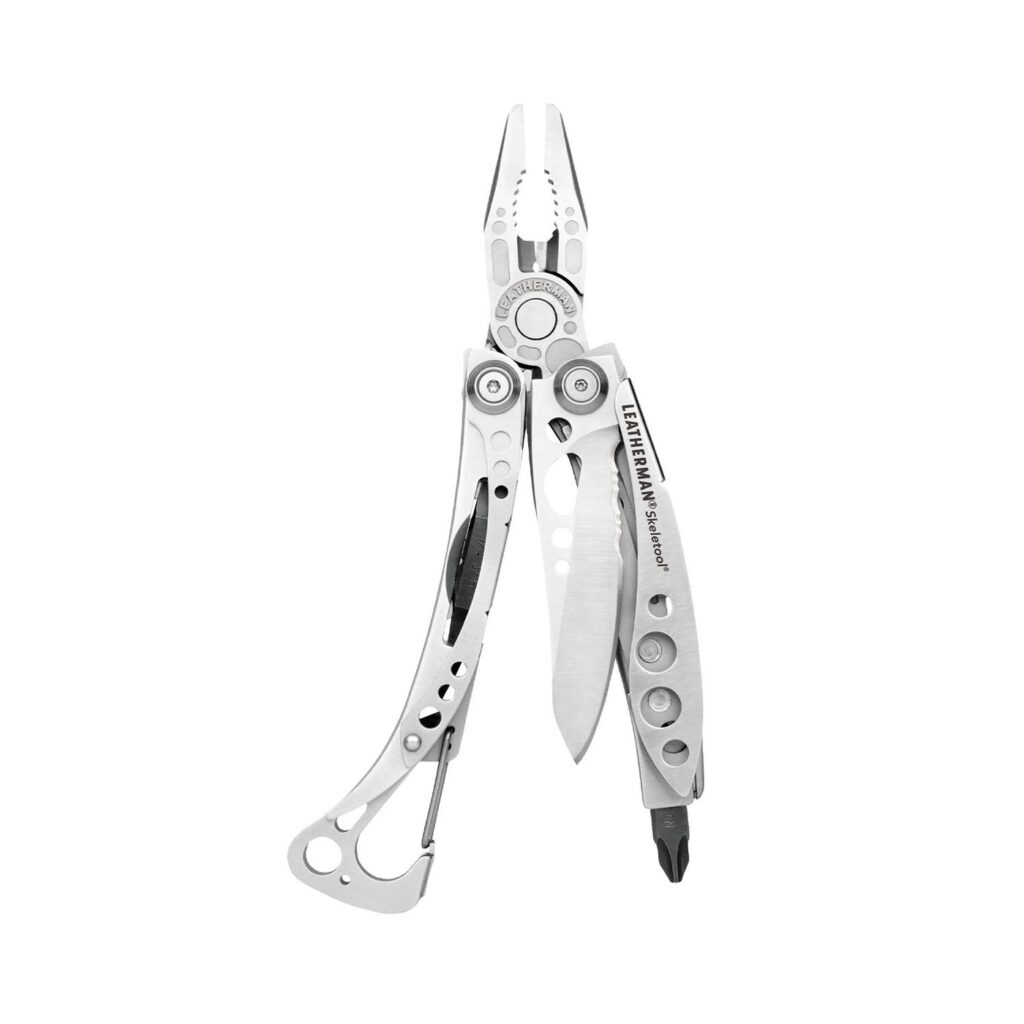
| Weight | 5 oz |
| Blade | Combo edge, stainless |
| Tools | 7, including pliers, wire cutters, bit driver, opener |
| Carry | Clip and carabiner |
The Skeletool weighs 5 ounces and covers the tools you are most likely to need on a walk home: pliers, a combo blade, a bit driver, a bottle opener and a carabiner clip.
It is lighter than the Wave+ in our 72-hour bag, which matters when every ounce rides on your back for miles.
Pros. Light. Fast to open. Leatherman’s 25-year warranty.
Cons. No saw or scissors.
Also in the running
- A pair of broken-in walking shoes. Dress shoes and heels are the most common failure in a get-home plan.
- Paper maps. Phones die and cell networks jam in a disaster.
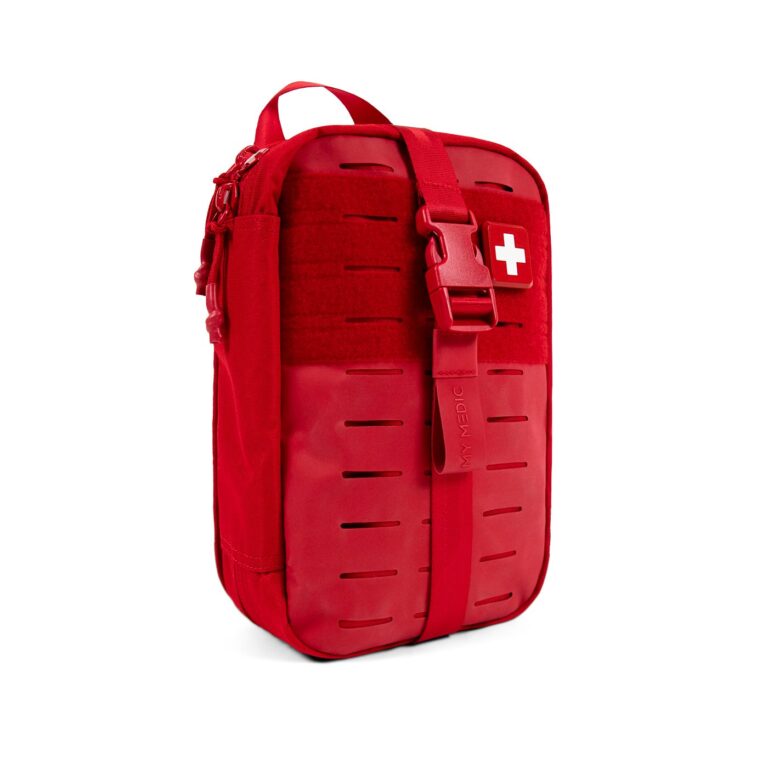
- A small first-aid kit. See our first-aid guide for the Mountain Series Hiker.
What to look for
Distance. Plan for the farthest you regularly drive from home, and pack for that many hours on foot.
Heat and cold. Trunks bake in summer and freeze in winter. Lithium jump starters and batteries need checking every few months.
Season. Swap in a warm layer, hat and gloves before winter.
Low profile. A plain bag draws less attention than a tactical one if you walk through a crowd.
FAQ
What is a get-home bag?
A small kit kept in your car with what you need to get home on foot if you cannot drive, usually covering a day or two.
How is a get-home bag different from a bug-out bag?
A get-home bag gets you to your house. A bug-out bag gets you away from it for 72 hours or more.
What size backpack is best for a get-home bag?
Around 25 to 40 liters. The RUSH24 2.0 is 37 liters.
How often should I check my car kit?
Every season. Charge the jump starter and swap clothing for the weather.
Sources
Product photos are from the manufacturer or retailer pages listed below. Specs and prices checked November 18, 2026.
- 5.11 RUSH24 2.0, 5.11 Tactical: 511tactical.com
- NOCO Boost Plus GB40, NOCO: no.co
- Sawyer Mini, Sawyer: sawyer.com
- Petzl TIKKA, Petzl: petzl.com
- SOL Emergency Bivvy with Rescue Whistle, SOL: surviveoutdoorslonger.com
- Leatherman Skeletool, Leatherman: leatherman.com